Guests' Guide to Elopements & Micro Weddings
Everything You Need to Know to Show Up Prepared, Supportive, and Ready to Celebrate
Welcome - You've Got the Golden Ticket!
You've been invited to an elopement or micro wedding—and that invitation means something profound. Your invite matters more than you might think. The couple getting married didn't cast a wide net or send invitations out of obligation. When the guest list is this small and intentional, it's a big deal that you're here.
They looked at their lives and asked themselves one question: Who do we truly want standing beside us on the most important day of our lives? Your name was on that list.
With that privilege of an invitation comes a deal of trust and respect, and it's important to keep that in mind. This isn't your average wedding, after all! The couple loves you and cannot imagine their wedding day without you. They know that you will respect their vision and recognize that even though there might not be traditional aspects, it's still their wedding day.
Your role in all of this? To show up with an open heart, help make their day as stress-free and joyful as possible, and be fully present for one of life's most sacred moments.
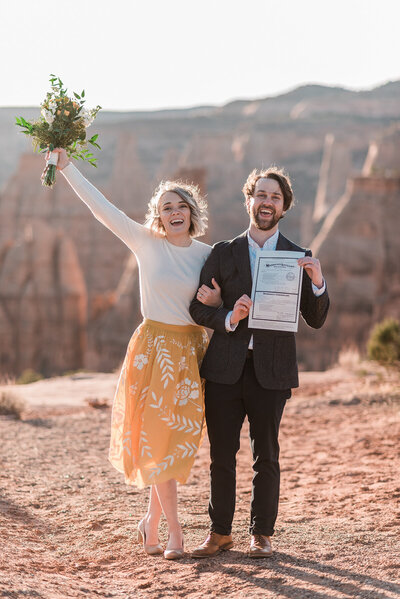

This Isn't a Regular Wedding... It's a Cool Wedding
Understanding What Elopements Are Today
What Makes This Different
You might be wondering, what even is an elopement? You've surely realized by now that elopements today are not the old "running away to Vegas" or quick courthouse weddings of the past. Elopements today may have guests, may be a bit more wild, may still have some traditions, and are all totally unique.
What you're about to experience is something more intentional and deeply personal—a celebration pared down to its essence. It's a day centered around what matters most to the couple, not what tradition dictates they "should" do. As such, there's a lot you may need to be filled in on before the big day. You've probably been to plenty of weddings before, but when's the last time you attended an elopement?
Traditional weddings follow a well-worn script with a predictable formula: ceremony, cocktail hour, reception, dinner, dancing. Elopements and micro weddings intentionally step off that beaten path, so it can be confusing to know what to expect.
The day may feel less formal and more flexible than a traditional wedding. Go with the flow! There may not be a rehearsal, so things could feel more organic. That's part of the point, promise. Your presence carries weight here—you're not just filling a seat; you're a chosen witness to one of life's most important moments.


The day may feel less formal and more flexible than a traditional wedding. Go with the flow!
Timelines and Flexibility
The couple will share a simple timeline with you—read it carefully so you know when and where to be. It's important to be on time with such a small day. With elopements, you may not be part of every piece of the celebration. Be prepared to entertain yourself by exploring the local area, taking a nap, shopping, or sightseeing.
Expect some waiting around or shifting plans—again, flexibility is key! What might look effortless on the surface likely required months of careful planning and coordination.
Where the Day Might Take You
Forget hotel ballrooms and country clubs. Elopements often unfold in places that hold meaning for the couple—places that tell their story. You might find yourself at a trailhead at sunrise, witnessing vows as the first light hits the mountains. Perhaps you'll gather at a park overlook where the couple got engaged, or in a family cabin filled with generations of memories.
These locations are chosen with love, selected because they represent something true about the couple's relationship. They may feel less formal than traditional venues, but that's precisely the point. The setting becomes part of the ceremony itself—nature's cathedral, if you will.

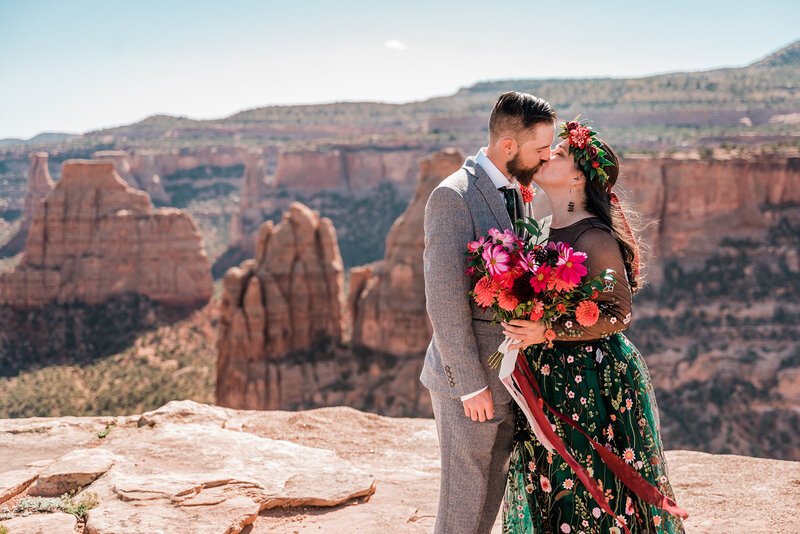
Pack Smart, Dress Smart
An elopement or micro wedding may be out in the wilderness, but it's still a wedding day, so it can be hard to understand what to wear, what to bring, and what to expect.
Clothing & Comfort: Dressing for Adventure and Elegance
Think adventure-ready: sturdy shoes, layers, and weather-proof options. The old wedding guest rulebook doesn't quite apply here. You'll want to think less "cocktail attire" and more "adventure-ready elegance."
Start with your feet. Those stunning stilettos you wore to your cousin's ballroom wedding? Leave them home. Skip stilettos—we'll likely be on dirt paths, grass, or uneven terrain and your ankles will thank you! Hiking shoes, wedges, comfy sandals, or bringing the "nice" shoes to change into will be your best bet. Opt for footwear that can handle the terrain while still looking polished.
Layering is your friend. Layers are important, whether we're exploring the mountains or the desert. Weather can be fickle—it might be sixty-five degrees when you arrive and forty-five by the time vows are exchanged. Bring a jacket, wrap, or umbrella. Mother Nature does her own thing!
Think about the setting when choosing your outfit. Flowing maxi dresses can be gorgeous but impractical on windy clifftops. Light colors might show every speck of dust if you're hiking to the ceremony location. Choose fabrics and styles that photograph beautifully but also allow you to move comfortably and focus on the moment rather than adjusting your clothes.


Etiquette & Respect: Being Mindful
Silence your phone completely before the ceremony—not vibrate, not "do not disturb," but actually silent. With such a small gathering, every ping and buzz is noticeable and disruptive. Better yet, consider leaving your phone in your car or bag entirely.
If asked for an "unplugged" ceremony, let me capture the magic—your gift is being fully present without screens between you and the couple. You've been invited for a reason—be there to witness with just your eyes. This isn't about being controlling; it's about creating a sacred space. Professional photographers are there to capture every moment from every angle. Your gift to the couple is being fully present—making eye contact, witnessing their emotions, being in the moment rather than viewing it through a screen. I've got you covered!
Follow park or venue rules. Respect the land, respect the couple. If the ceremony takes place in a park or public land, respect all posted rules and regulations. Some locations require permits and have restrictions. The couple has likely navigated these requirements already; your job is simply to follow their lead and treat the land with care.
Stay on trail and durable surfaces wherever possible. Straying into more delicate soils can disturb living soil in the desert that takes hundreds of years to build, or you can accidentally trample wildflowers in the mountains that won't regrow next year after being damaged.
Avoid carving into trees. This injures the tree and makes them susceptible to disease and death.
If dogs are not allowed in spaces, it's for a reason. Respect that.
Leave No Trace: Pack out anything you bring in. Stay on designated paths. Leave no trace of your celebration except memories.
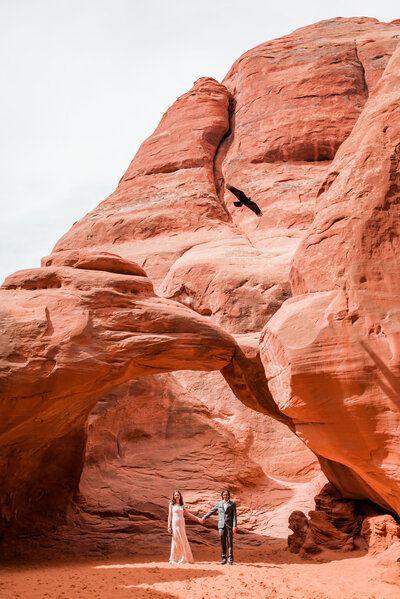

Here's some general guidelines to exploring outdoors while we're there:

How to Leave No Trace While Getting Married Outside

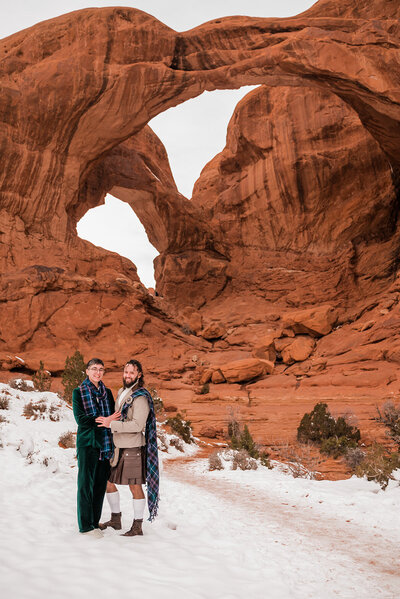
PLAN TO STICK TO TRAILS & DURABLE SURFACES
While staying on trail 100% of the time you’re outside is an admirable goal, it is likely that we may end up going off-trail in certain circumstances (either because the trail ends, or your group spans out into a space that can handle congregation.) Staying on durable surfaces is the next best thing to staying on trail.
What are durable surfaces & when is it okay to go off trail?
OK TO GO OFF-TRAIL:
Rock, sand and gravel: These surfaces are highly durable and can tolerate repeated trampling and scuffing. (Just be aware that lichens that grow on rocks are vulnerable to repeated scuffing).
Ice and snow: The effect of travel across these surfaces is temporary, making them good choices for travel assuming good safety precautions are followed and the snow layer is of sufficient depth to prevent vegetation damage.
SOMETIMES OK TO GO OFF TRAIL:
Vegetation: The resistance of vegetation to trampling varies. Careful decisions must be made when traveling across vegetation. Dry grasses tend to be resistant to trampling, while wet meadows, moss, tundra plants, and other fragile vegetation quickly show the effects of trampling. If vegetation shows signs of trampling, it creates what are called “social trails,” (or “satellite trails”) which encourage other visitors to go off-trail because there is the appearance of a space used for travel. As a general rule, travelers who must venture off-trail should spread out to avoid creating paths that encourage others to follow.
NOT OK TO GO OFF TRAIL:
Living soil: ‘Cryptobiotic crust’ or ‘crypto’ is often found in desert environments, and is extremely vulnerable to foot traffic. One footstep can destroy this fragile soil, causing damage that will take many years to overcome if ever.
Desert puddles and mud holes: Water is a scarce resource for all living things in the desert. It's also full of life! Don’t walk through desert puddles, mud holes or disturb surface water in any way.
Fragile Vegetation: Moss, alpine meadows, tundra, wildflowers, and other fragile plants are not resistant to trampling and can take years to grow back if stepped on.

How to Be the Guest Everyone Loves
Being Proactive and Present
Stepping Into Meaningful Roles
In a traditional wedding, guests can blend into the crowd. Not here. With such an intimate gathering, everyone is noticed—which means being punctual isn't just polite, it's essential. Be on time (or early!) Aim to arrive at least 15 minutes before start time. With a small group, your absence is very noticeable. This gives you moments to settle in, take in the setting, and allow the couple to start their ceremony when planned.
Be proactive: ask if you can help with setup, carrying items, or small tasks. Don't underestimate the power of offering your hands. These intimate celebrations often mean the couple is managing many details themselves. Can you help carry bags from the car? Hold the couple's personal flowers while they greet arriving guests? Help set up small ceremony details? Having some point people is so helpful in a small celebration. These small acts of service are gold.
Step into small roles: You might be asked to take on meaningful responsibilities—officiant, holding flowers, fluffing the dress, reading, playing music, or simply standing beside them as they exchange vows. Every guest plays a part in an elopement! Embrace these opportunities. In traditional weddings, these roles go to a formal wedding party. Here, they go to people the couple trusts most: you.


This day may not look "traditional," but it's every bit as valid, meaningful, and important as any large wedding
Honoring Boundaries and Privacy
Celebrating Without Comparison
Encourage and respect privacy: If the couple has private vows, give them space. They invited you for the parts of the day they can't imagine without you—let that be enough. Some couples write private vows meant only for each other's ears. If the couple steps away for this intimate exchange, don't creep closer trying to overhear or photograph the moment. Let them have what they've asked for—a few minutes of complete privacy in the midst of a shared celebration.
Please avoid crashing pieces of the day that are not meant for you. I'll make sure the couple is able to communicate these pieces with you so you'll know where to be when! Show up early and only attend the parts of the day meant for guests.
Perhaps the most important way you can support the couple is to celebrate their choices without comparison. You might have opinions about what weddings "should" look like. You might wonder why they didn't include certain traditions or people. That's okay—you're entitled to your feelings. But keep them to yourself.
This day may not look "traditional," but it's every bit as valid, meaningful, and important as any large wedding. In fact, it's probably even more true to who the couple actually is.


Why They Chose This
When couples choose elopements or micro weddings, they're making a deliberate statement about their values. They're saying that intimacy matters more than impressing people. That being fully present matters more than putting on a performance.
Understand that the couple chose what mattered most to them (location, photography, intimate vows) and the "normal" traditions aren't important to them. And that's okay! Traditions are pointless if they aren't important to the couple. The couple didn't shrink their wedding—they distilled it down to the parts that matter most.
Don't be surprised if some traditions are skipped (florals, signage, first dance, etc.)—the couple spent a lot of time figuring out what matters to them, and planning this day very intentionally. Celebrate their choices rather than comparing it to a "big wedding."
What They Prioritized
The couple has likely invested deeply in certain elements. Maybe that's photography to capture memories for those not present—not out of vanity, but because these images will be shared with loved ones who couldn't be there. Maybe it's the location—that mountain overlook isn't just pretty, it's where they had their first conversation about getting married. Maybe it's choosing presence over performance.
Every choice tells a story, even if you don't know all the chapters. You don't need to understand every choice the couple makes. You simply need to honor it.


Understanding Their Vision
The Gift of Intimacy
Appreciate the intimacy: you're not just a guest, you're part of the couple's core circle. Take in the scenery and setting—the location itself is often part of the magic. Remember: this day is about connection, not perfection.
Your role isn't to judge or compare or suggest what they might have done differently. Your role is to witness, support, and celebrate exactly what they've created.
Navigating the Details: What You Need to Know
Gifts: To Bring or Not to Bring?
Don't bring physical gifts to the ceremony location. Remote locations, hiking trails, and outdoor venues make transporting gifts impractical and potentially burdensome for the couple on their wedding day. Instead, ship registry gifts to the couple's home before or after the wedding, or consider these alternatives:
- Contribute to their honeymoon or adventure fund if they've set one up
- Send a thoughtful card that arrives around the wedding date
- Make a meaningful donation to a cause important to the couple
- Plan a celebratory dinner with them after they return
The couple will appreciate your thoughtfulness without the logistical challenge of managing packages in the wilderness.


Photography: Sharing the Day Responsibly
You know to keep your phone away during the ceremony, but what about the rest of the day?
During non-ceremony time, feel free to take photos of the scenery, candid moments, and group shots—but always be mindful of not interfering with the professional photographer's work. They're likely capturing those same moments from better angles with better equipment.
Social media guidelines are crucial. Before posting any photos from the day, wait for the couple to make their own announcement. Many couples want to share their news on their own timeline, especially with family and friends who couldn't attend. When in doubt, ask the couple directly about their preferences, or wait 24-48 hours after the wedding.
Professional photos will typically be delivered 4-6 weeks after the wedding. The couple will likely share favorites with you once they receive their gallery. If you'd like copies of specific moments, reach out to the couple after they've received their photos—most are happy to share!
Plus-Ones and Children: Understanding the Invitation
For children specifically: If you're unsure whether your kids are invited, it's appropriate to ask the couple directly. If children are welcome at an outdoor elopement, come prepared with:
- Quiet activities to keep them occupied during the ceremony
- Snacks and water
- Layers and sun protection
- A plan for managing restlessness in a small, intimate setting
Remember that even well-behaved children can find outdoor ceremonies challenging, especially if there's hiking involved or if the setting requires stillness and quiet.


Weather: Rolling with Mother Nature
The ceremony will likely happen rain or shine unless conditions become truly dangerous (lightning, extreme winds, flash flood warnings). The couple isn't going to reschedule their wedding for drizzle or clouds, so come prepared with:
- Rain jacket or umbrella
- Extra layers if temperatures drop
- Sunscreen and hat if it's sunny
- Positive attitude regardless of conditions
If weather becomes dangerous, the couple or their photographer will communicate backup plans. Trust their judgment and stay flexible. Some of the most memorable weddings happen in unexpected weather—fog rolling through mountains, dramatic storm clouds, or unexpected snow can create magic.
Getting There: Transportation and Logistics
Parking may be limited or require a short hike from your car to the ceremony site. Arrive early to secure parking and allow time to walk to the location. Some national or state parks require parking passes—check with the couple about whether you need to purchase one in advance.
Carpooling may be encouraged, especially if parking is extremely limited. Coordinate with other guests if possible.
Cell service warnings: Many elopement locations have limited or no cell service. Before you leave home or your hotel:
- Download offline maps of the area
- Screenshot the timeline and location details
- Share your location with someone not attending
- Get clear written directions, not just a dropped pin
- Note the couple's or photographer's phone number in case you need it before losing service
Altitude considerations: If the ceremony is at elevation, be aware that you might feel the effects—shortness of breath, headaches, or fatigue. Hydrate well before and during the day, and move slowly if you're not acclimated.


After the Ceremony: What Happens Next?
Ceremony only: Some elopements are just that—vows, then done. You might be there for 30-60 minutes total. The couple may then head off for couples photos or private time together.
Casual celebration: There might be a picnic, champagne toast, or small gathering after vows. This is usually low-key—think blankets on the ground rather than plated dinners.
Meal together: Some couples arrange for everyone to go to a restaurant afterward or gather at an Airbnb for a meal.
Ask the couple how long to plan to stay. They'll appreciate you asking rather than lingering uncertainly or leaving abruptly. If you're dismissed after the ceremony, don't feel hurt—this is about the couple's vision for their day, and they've invited you to the most important part.
Destination Elopements: Special Considerations
Book accommodations early, especially in small mountain towns or popular outdoor destinations. Options may be limited and prices increase as you get closer to the date.
The couple likely cannot coordinate group activities or manage everyone's travel plans. They're focused on their own wedding logistics. Plan your own adventure—explore the area, enjoy the destination, and don't expect the couple to entertain you beyond the wedding itself.
Travel costs are your responsibility. The couple chose a meaningful location for them, not necessarily the most convenient for guests. If you've chosen to attend, embrace it as your own mini-vacation and don't make the couple feel guilty about the expense or distance.
Consider arriving a day early rather than cutting it close. Remote locations, weather delays, and travel complications are more likely to impact your arrival than flying into a major city for a hotel wedding.

Your Elopement Guest Survival List
✅ RSVP Early
You're on an exclusive list, and with a small guest count it's important for the couple to know early on who will be able to make it or not. Every seat truly counts in a small gathering.
✅ Read the Timeline and Instructions
Show up early and only attend the parts of the day meant for guests. Confirm your attendance again a few days before if traveling to a remote location.
✅ Dress Appropriately for Weather & Terrain
Comfort > fashion—the show will go on even in bad weather!
- Sturdy, comfortable shoes appropriate for the terrain
- Layers and weather-appropriate outerwear
- Small bag with essentials (tissues, lip balm, phone for emergencies)
✅ Respect the Couple's Boundaries and Requests
They invited you because they know you'll honor their wedding day—no matter how it looks.
- Silence your phone completely
- Follow the couple's photography wishes (especially unplugged requests)
- Honor privacy during intimate moments
- Follow all venue and park rules
✅ Be Flexible and Present
Enjoy the moments, the views, and the honor of witnessing the couple's big day!
- Offer help when you see a need
- Express your joy and support authentically
- Open mind and flexible attitude
- Stay present and engaged throughout the celebration
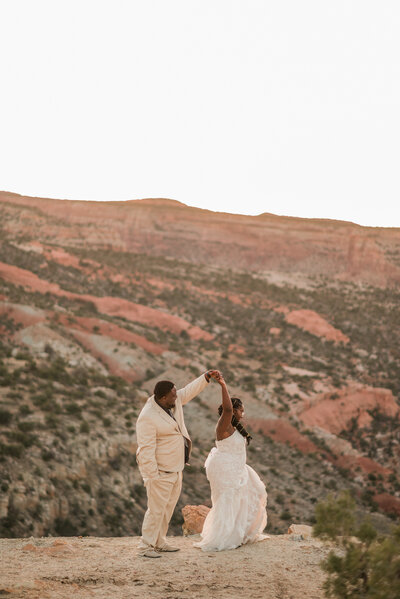


A Final Word
Your presence is the real gift. Not the item you ordered from a registry, not the check you're planning to give, not any tangible thing you could wrap and present. It's you—showing up, bearing witness, holding space for love to be spoken out loud and made official.
Thank you for being flexible enough to embrace something different. Thank you for respecting the couple's vision, even when it challenges conventional expectations. Thank you for traveling to wherever this celebration is taking place, for dressing in layers, for leaving your phone in your pocket, for being fully present.
Elopements and micro weddings are built on connection, intention, and love. They strip away everything that doesn't serve those core values and amplify everything that does. You're not just attending this celebration—you're part of its story now. The couple will remember you were there. They'll see you in their photos. They'll recall how you helped, how you laughed, how you witnessed them becoming married.
That's what makes you more than a guest. You're a chosen witness to the beginning of their marriage, and that role is sacred.
We're honored to be part of this day alongside you, capturing these moments so they can be treasured for a lifetime. Thank you for helping make this day everything the couple dreams it will be.
With gratitude,
Amanda Matilda


