
Close your eyes for a second and picture “wedding attire.” What popped into your head?
I’m willing to bet you saw a white dress—probably floor-length, maybe with a train. And a dark suit or tux, perfectly pressed and buttoned up. That’s what we’ve all been conditioned to imagine when we think “wedding,” even if that image doesn’t actually resonate with us at all.
Here’s the truth I’ve learned after photographing hundreds of weddings and elopements across Colorado and Moab over the past 12+ years: the couples who look most genuinely happy in their photos are the ones wearing what actually feels like them. Not what they think they’re supposed to wear. Not what makes their grandmother comfortable. What makes them feel incredible.
And here’s another truth that nobody really talks about: a lot of my couples don’t stay in formal wedding attire very long. Some change after the ceremony. Some start their day in hiking clothes and change into something dressier for portraits. Some wear one outfit for photos and something completely different for their reception. And some skip the traditional wedding attire entirely and wear what they’d genuinely choose for themselves on the most important day of their lives.
All of it is valid. All of it is beautiful. And all of it deserves to be celebrated.
So if you’re planning a wedding in Colorado, Moab, or anywhere else, and you’re feeling stuck between what you want to wear and what you think you should wear, this post is for you. Let me show you what real couples have chosen—and give you permission to do whatever feels right for your own celebration.
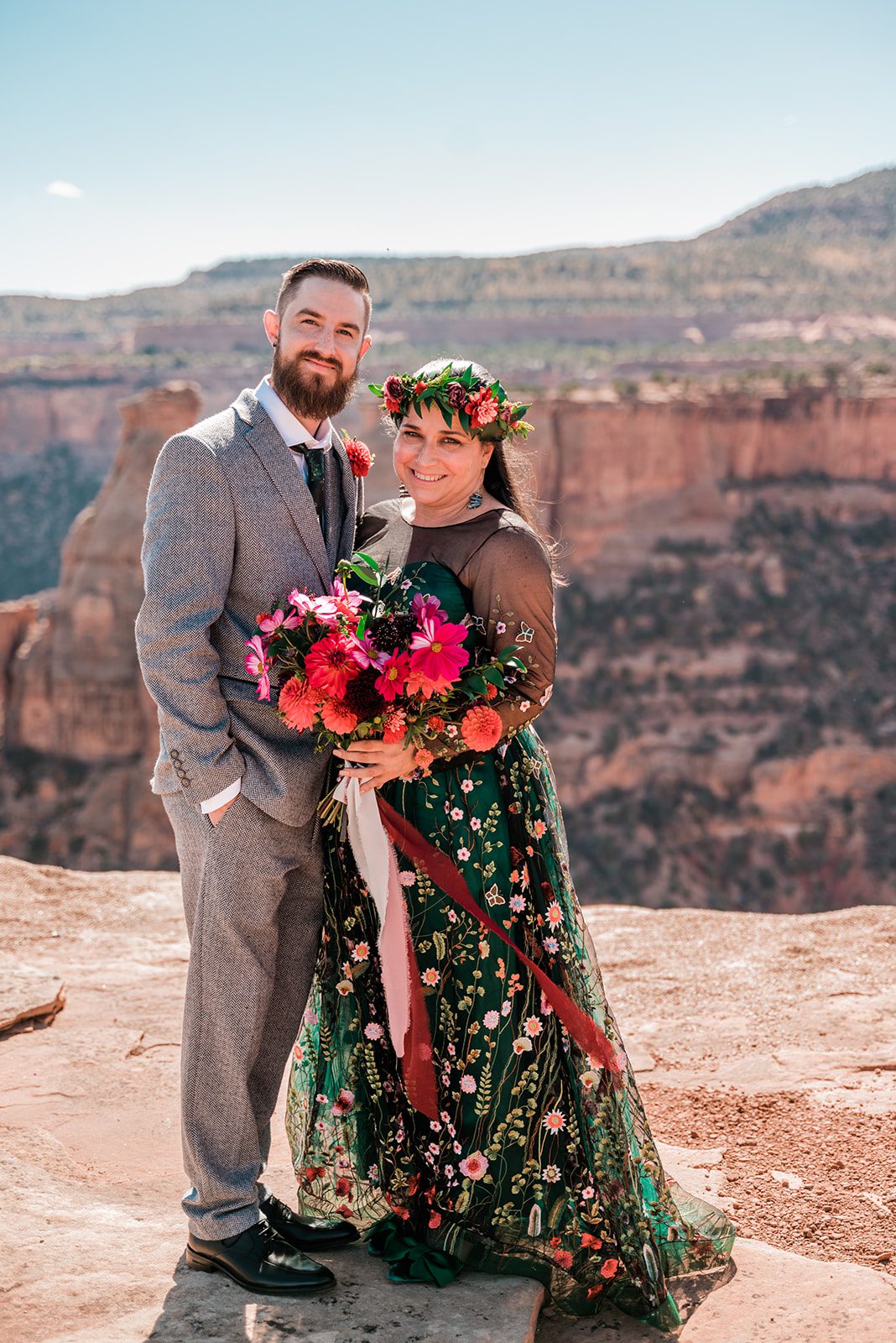
Why Choose Non-Traditional Wedding Attire?
Before we dive into specific ideas, let’s talk about why you might want to step outside the traditional wedding dress or suit box in the first place.
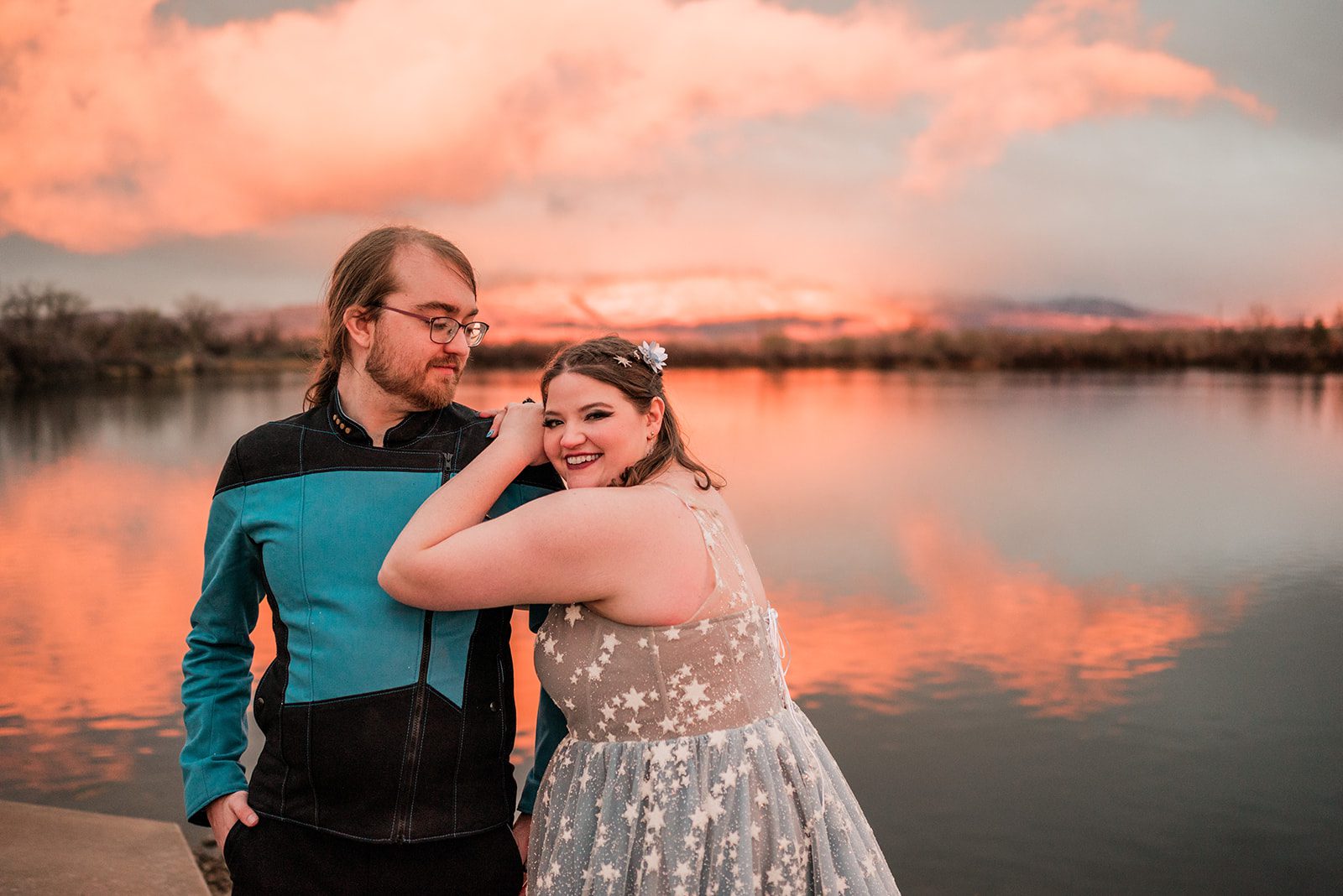
You want to feel like yourself. There’s something deeply uncomfortable about putting on clothes that don’t reflect who you are just because it’s “your wedding day.” The most genuine, joyful photos I’ve ever taken are of couples who looked in the mirror before their ceremony and thought “yes, this is me” instead of “well, this is what brides/grooms are supposed to wear.”
Tradition doesn’t fit your celebration. If you’re getting married on a mountaintop, or having a camping wedding, or celebrating at your favorite brewery, a ball gown and tuxedo might feel out of place. Your attire should match the vibe and setting of your actual wedding, not some generic idea of what weddings “should” look like.
You want to be comfortable and move freely. This is especially true for adventure elopements or outdoor weddings in Colorado and Moab. If you’re hiking to your ceremony location, scrambling over red rocks, or spending your day exploring, you need attire that works with your plans, not against them.
You can wear it again (or you just don’t want to spend a fortune on one day). When you choose non-traditional wedding attire, you often end up with pieces you’ll actually wear again. That colorful jumpsuit? Perfect for your next formal event. That unique suit? Great for anniversaries, date nights, or professional occasions. The financial and environmental impact of one-and-done formal wear doesn’t sit right with everyone, and that’s completely valid.
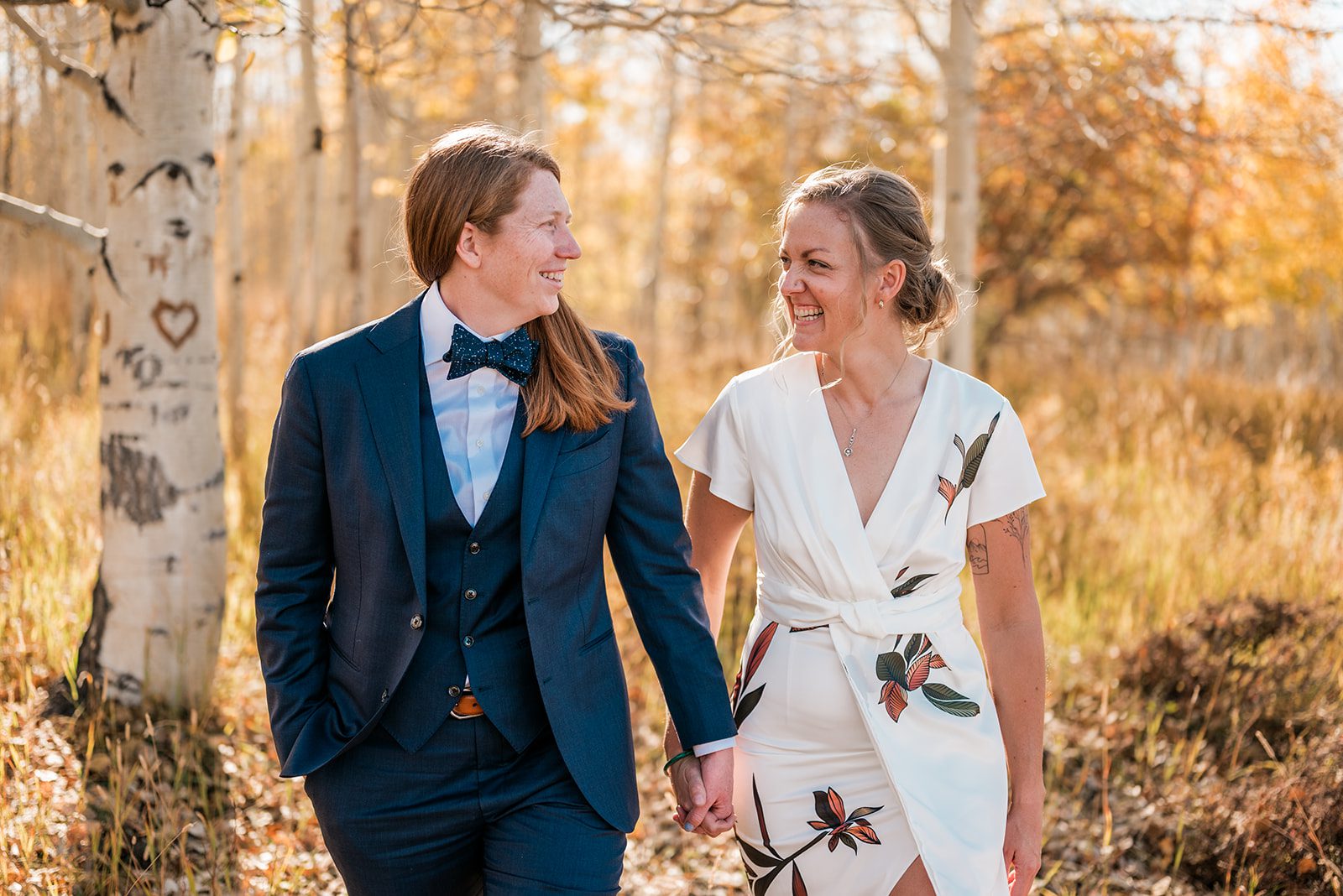
It’s Okay to Change Your Outfit (Seriously)
Before we get into specific outfit ideas, I want to normalize something that I see all the time but nobody really talks about: changing clothes throughout your wedding day is completely normal and acceptable.
I’ve photographed couples who:
- Started their day in hiking gear, had their ceremony in formal attire, then changed into casual clothes for their reception
- Wore a beautiful dress for portraits, then switched to a jumpsuit for dancing
- Began in a suit and tie, then ditched the jacket (and sometimes the tie) within an hour
- Had one outfit for the ceremony with family, then completely different attire for their adventure couples session
- Wore comfortable clothes 90% of the day and only got “dressed up” for 30 minutes of portraits
There’s no rule that says you have to wear one outfit from start to finish. Your wedding day might last 8, 10, or even 12+ hours. Comfort matters. Practicality matters. And honestly, having options is fun.
So as you’re reading through these ideas, don’t feel like you have to choose just one. You can mix and match. You can change. You can start traditional and end casual. You can do whatever makes sense for your day.
Non-Traditional Wedding Attire Ideas: Dresses & Gowns
Colorful & Non-White Dresses
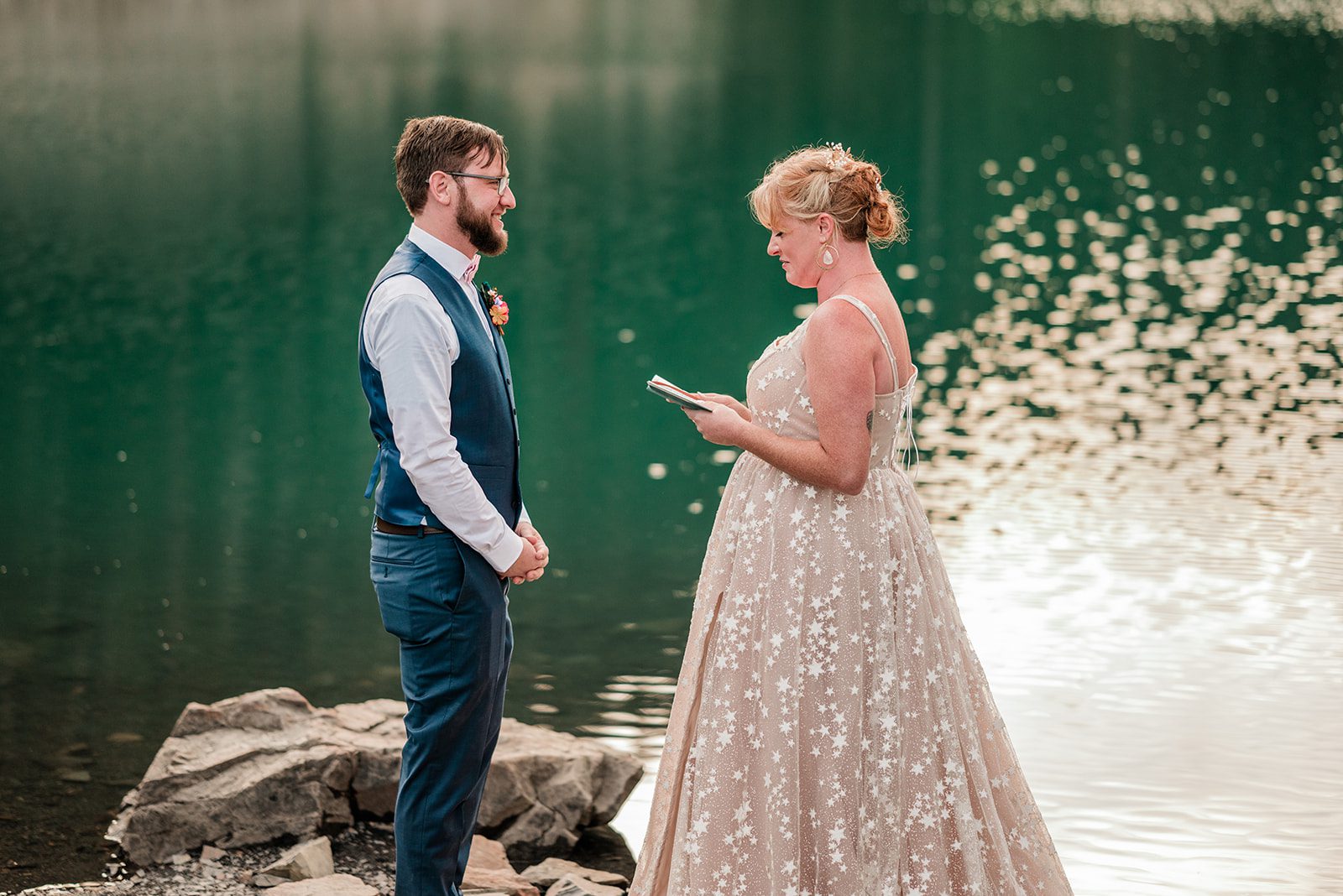
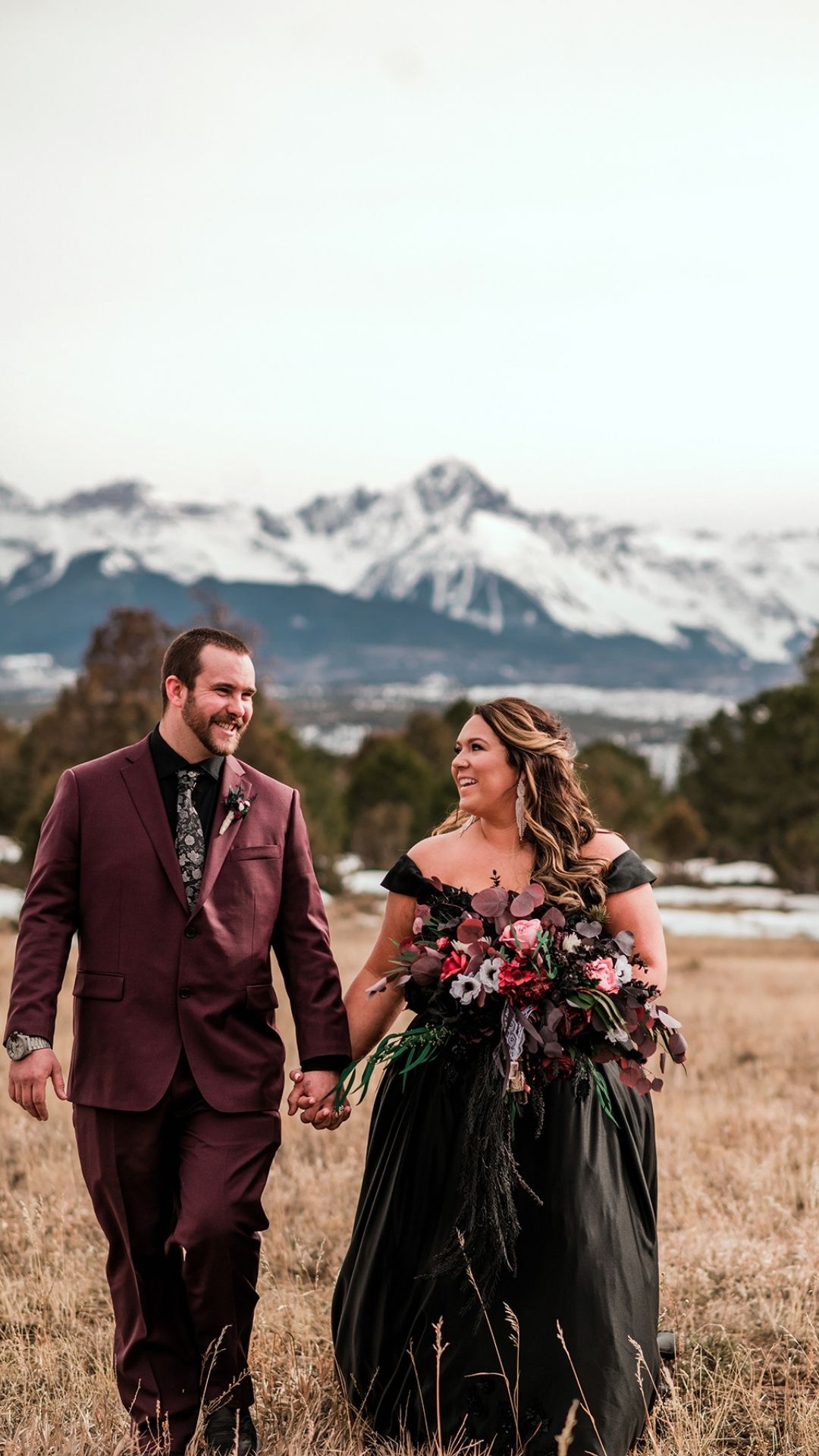
One of the easiest ways to break from tradition is simply choosing a color other than white or ivory. I’ve photographed couples in deep jewel tones, soft pastels, bold reds, elegant blacks, and everything in between.
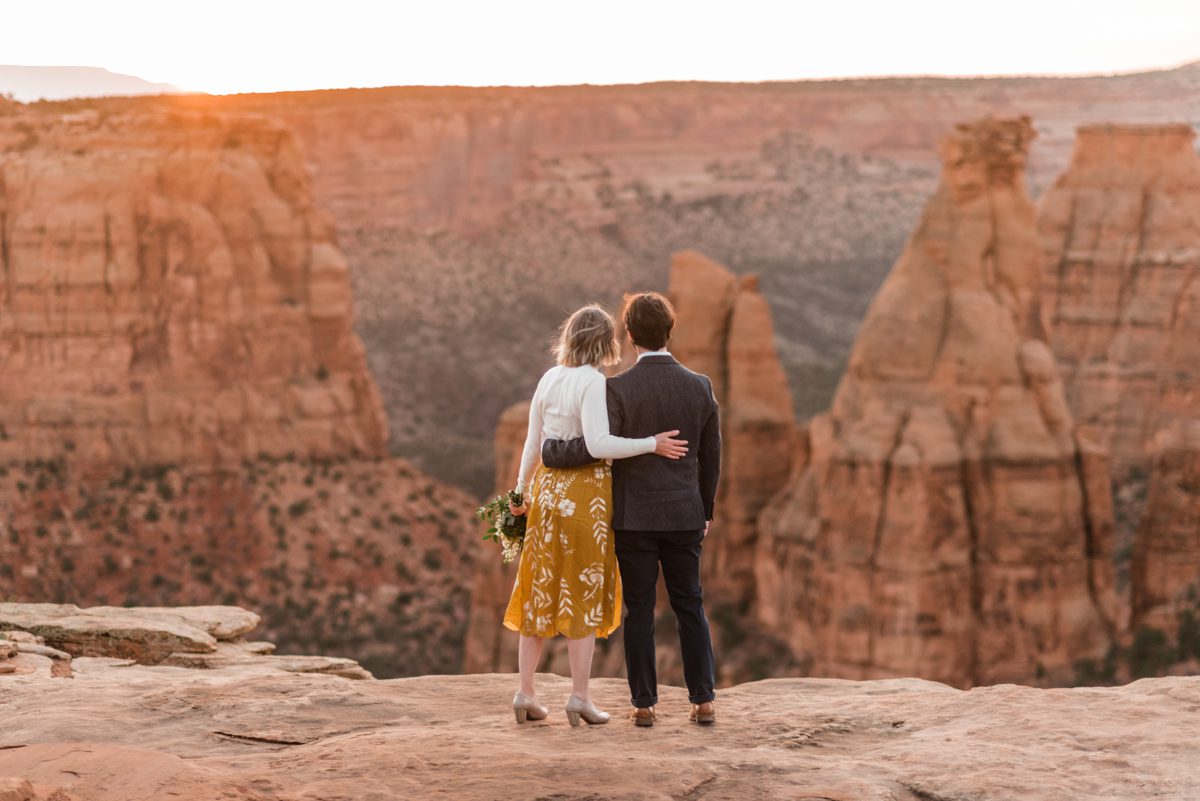
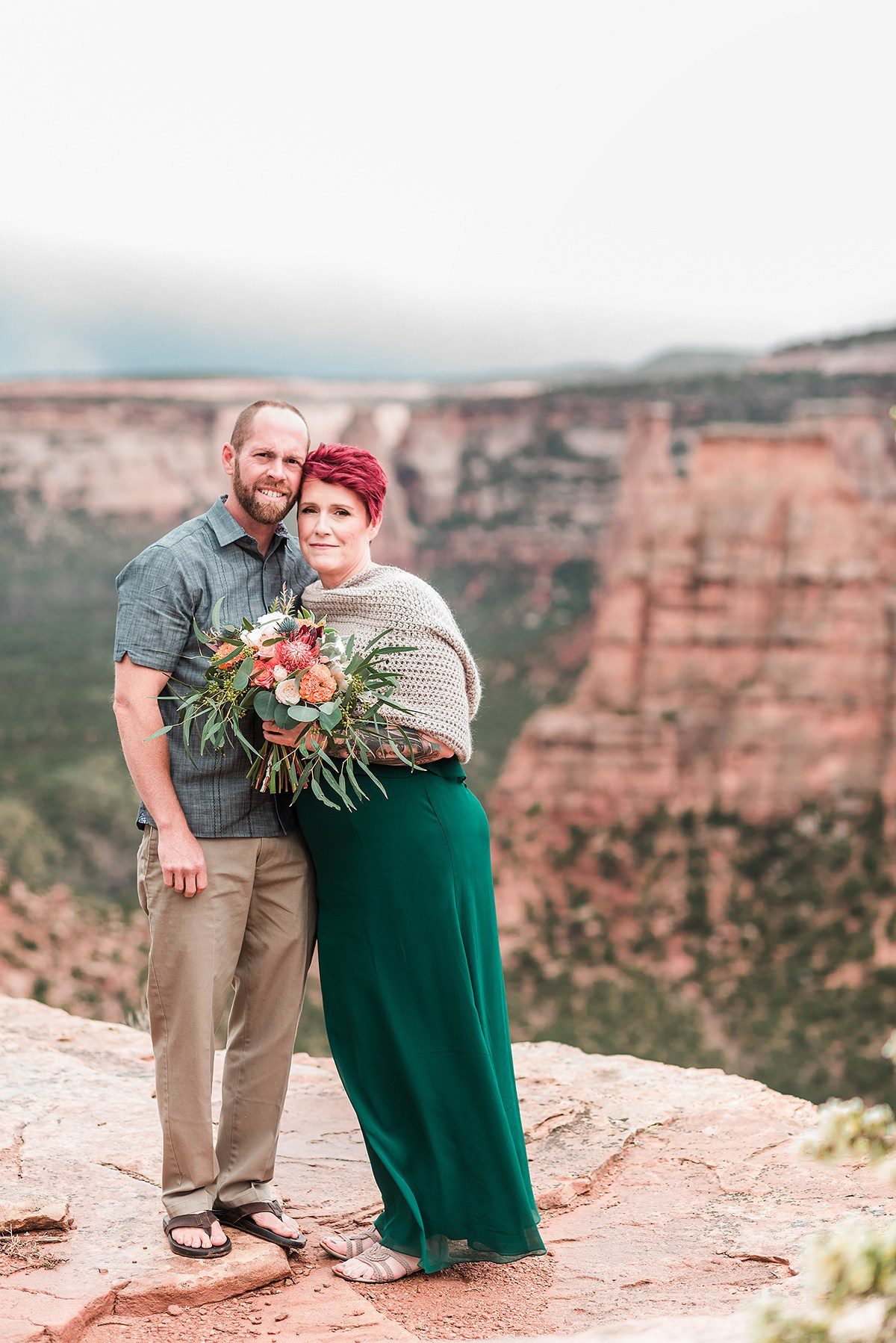
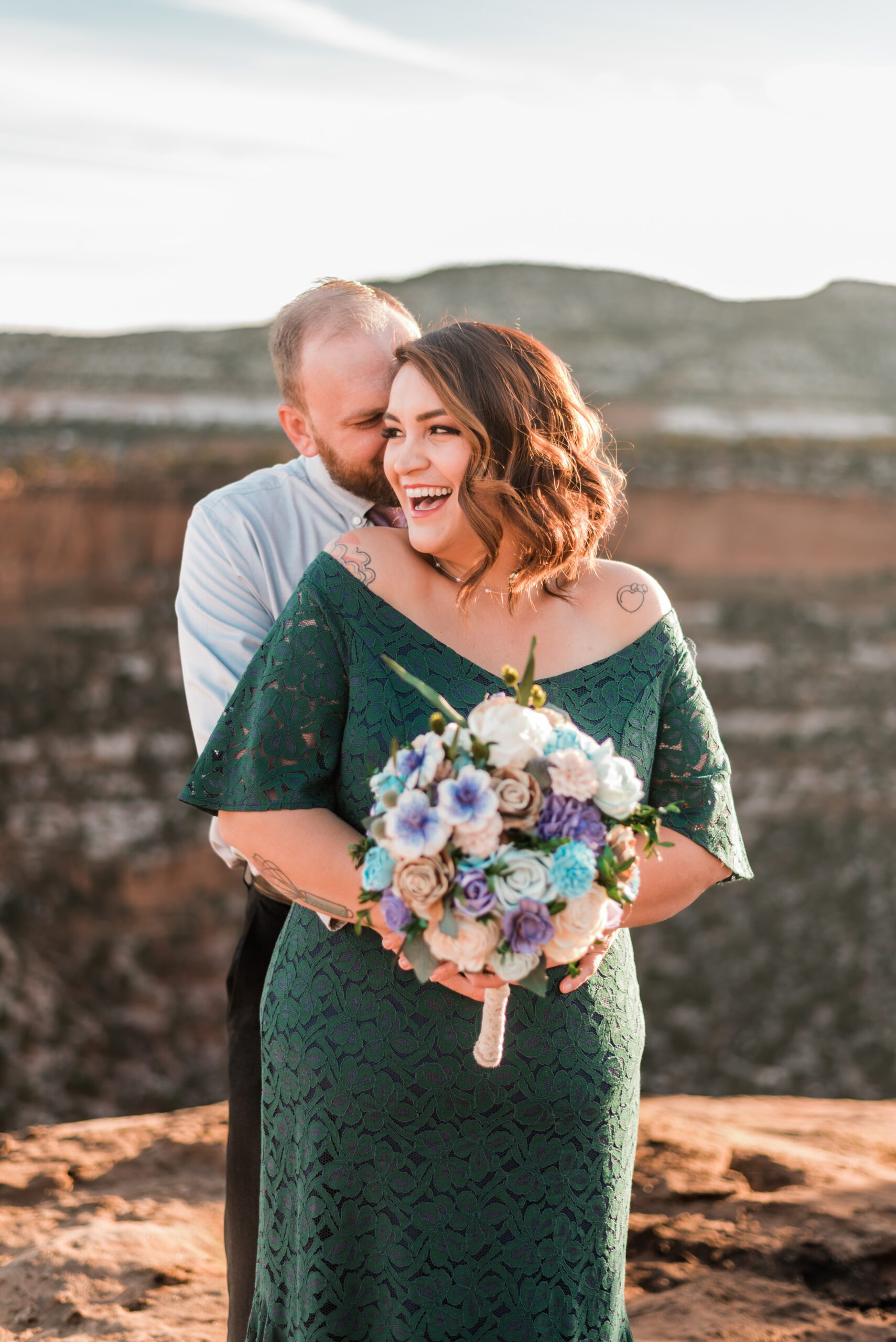
Why it works: Color photographs beautifully against Colorado’s landscapes. A deep emerald green dress against the red rocks of Colorado National Monument? Stunning. A burgundy gown in fall aspen groves? Absolutely gorgeous. Black in the desert of Moab? So dramatic and chic.
Real couple example: I’ve photographed brides in black dresses that looked incredibly elegant and sophisticated—and the best part? They could (and did) wear those dresses again. One couple chose matching forest green dresses for their intimate ceremony on the Grand Mesa, and the color was absolutely perfect against the mountain backdrop.
Color suggestions by location:
- Colorado mountains: Jewel tones (emerald, sapphire, burgundy), dusty blue, sage green
- Moab/desert: Black, terracotta, deep green, cream/champagne
- Year-round: Navy, blush, champagne, grey
Short or Tea-Length Dresses
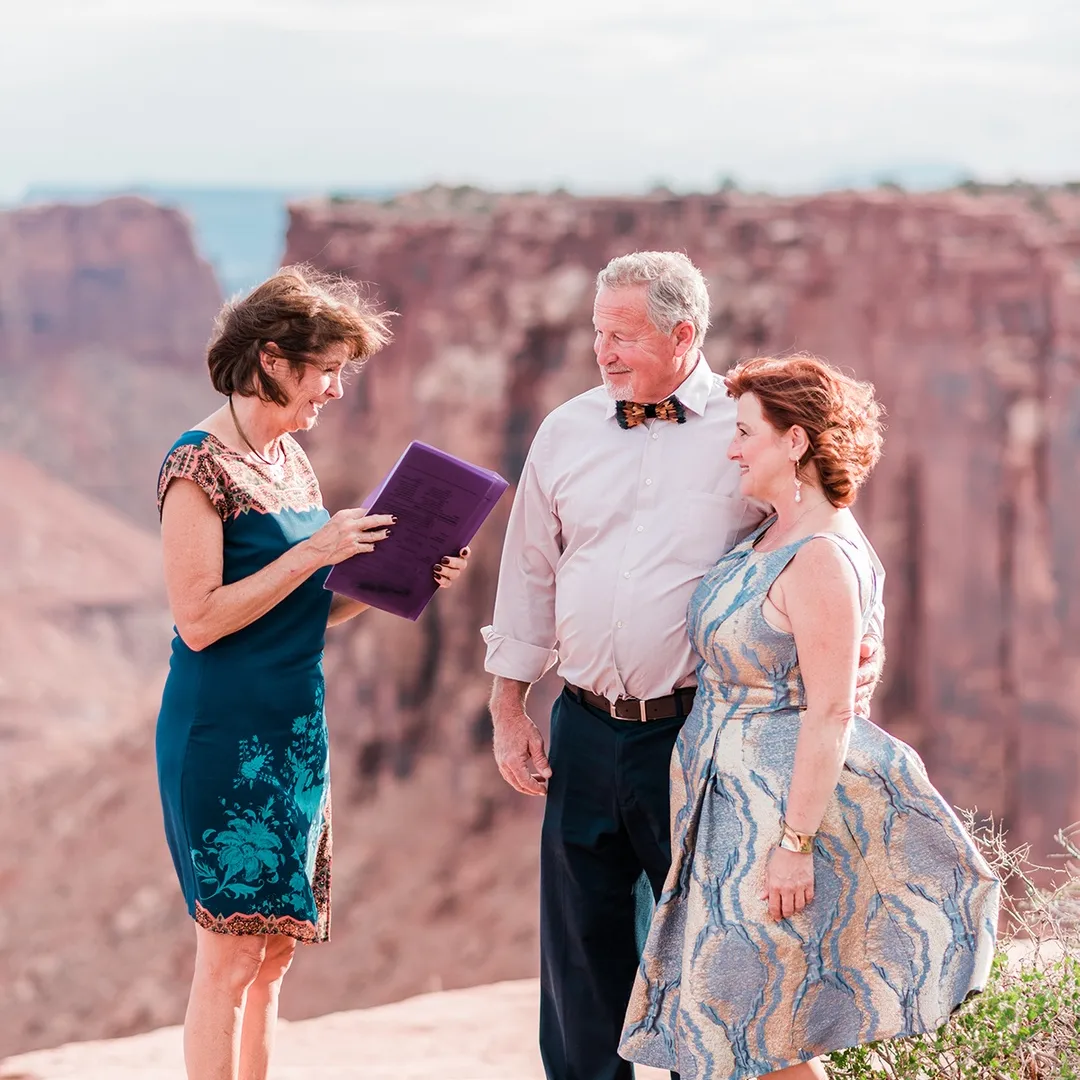
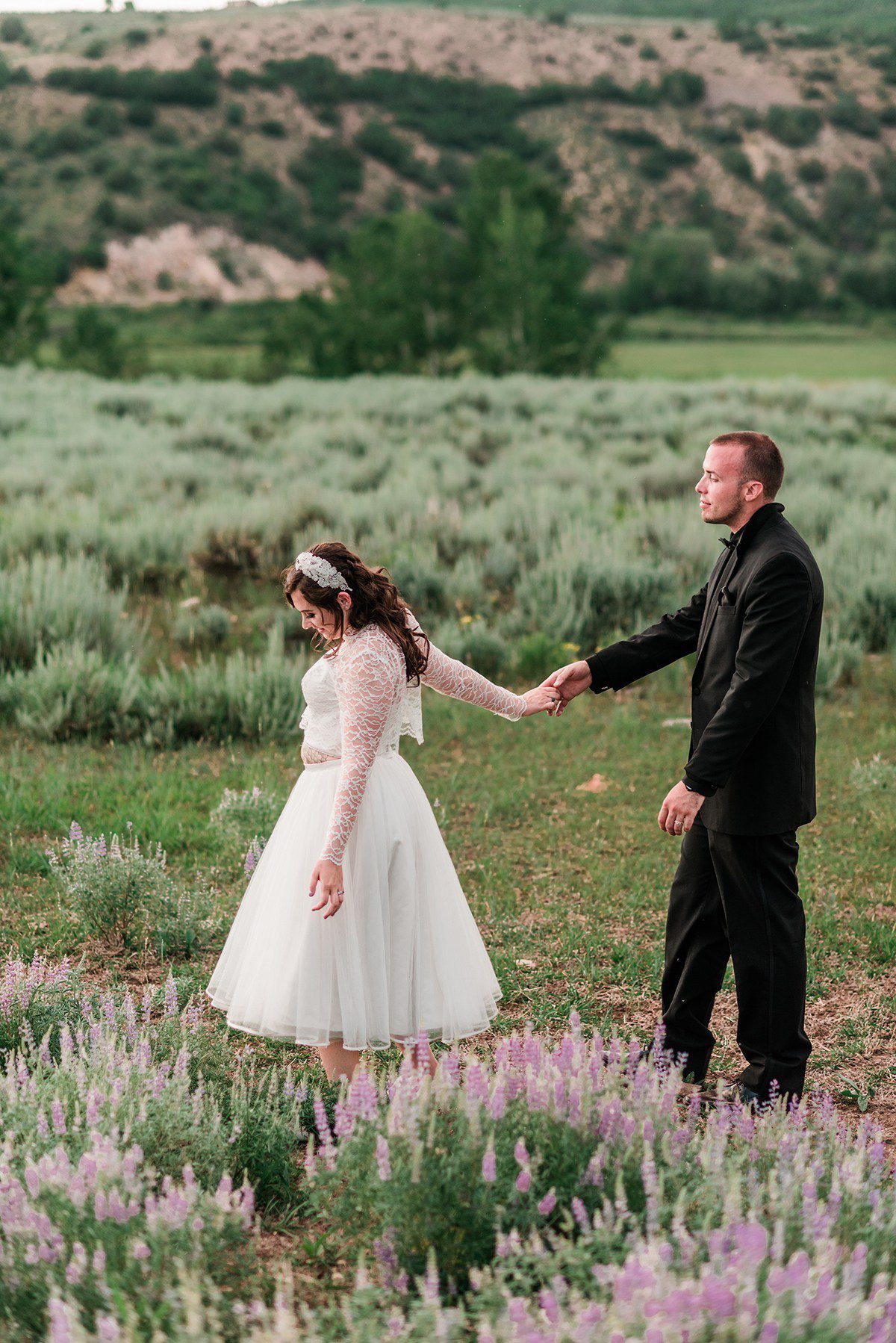
A dress doesn’t have to be floor-length to be special. Short, midi, or tea-length dresses offer a modern, playful alternative that’s especially practical for outdoor weddings.
Why it works: Easier to move in, won’t get muddy or torn on trails, more comfortable in warm weather, and often more affordable. Plus, tea-length dresses have this vintage charm that photographs beautifully.
Practical consideration: If you’re hiking to your ceremony spot or scrambling over rocks in Moab, a shorter dress is genuinely more functional. I’ve watched couples navigate trails in floor-length gowns, and while it’s doable, it’s not always fun.

Two-Piece Wedding Sets
Separates—whether that’s a crop top and skirt, a corset and flowing bottom, or a blouse and pants—give you incredible flexibility and a modern, fashion-forward look.
Why it works: You can mix and match for different parts of your day. Wear the full set for the ceremony, then just the top with jeans for your reception. Or hike in the pants and change into the skirt for portraits. The options are endless.
Photographer’s tip: Two-piece sets photograph really well because they add visual interest and dimension. The different fabrics and textures catch light beautifully, especially in golden hour.
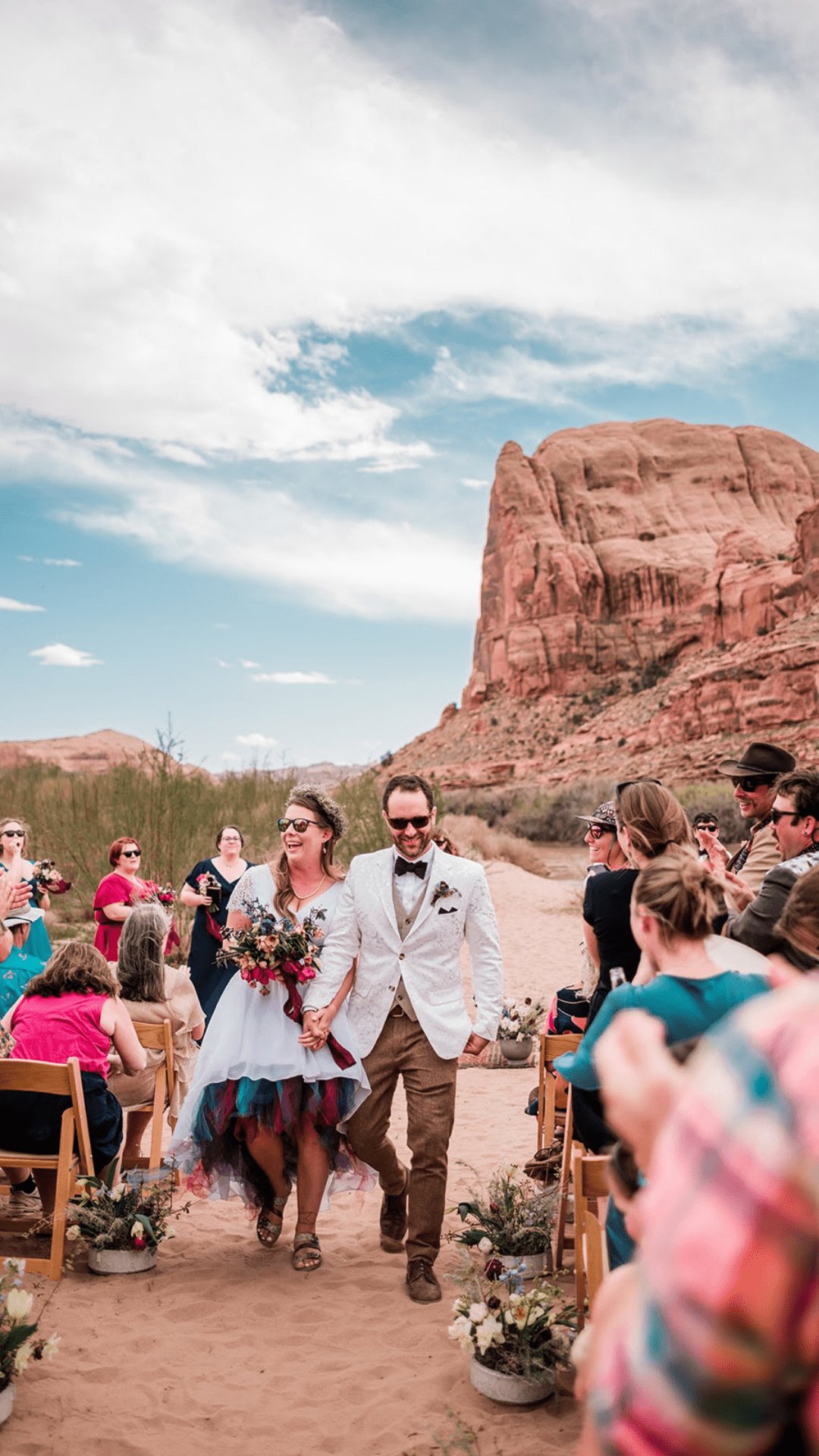
Jumpsuits & Rompers
For couples who don’t feel like themselves in dresses at all, jumpsuits offer an elegant, sophisticated alternative that’s still unmistakably special.
Why it works: Easy to move in, undeniably chic, and you’ll definitely wear it again. Jumpsuits work for any wedding style from casual to black-tie, depending on the fabric and cut you choose.
Real couple example: I’ve photographed several couples in white jumpsuits for their Colorado elopements, and they looked incredible hiking through wildflower meadows and exploring mountain trails. The jumpsuit allowed them to be active and adventurous without worrying about their attire.
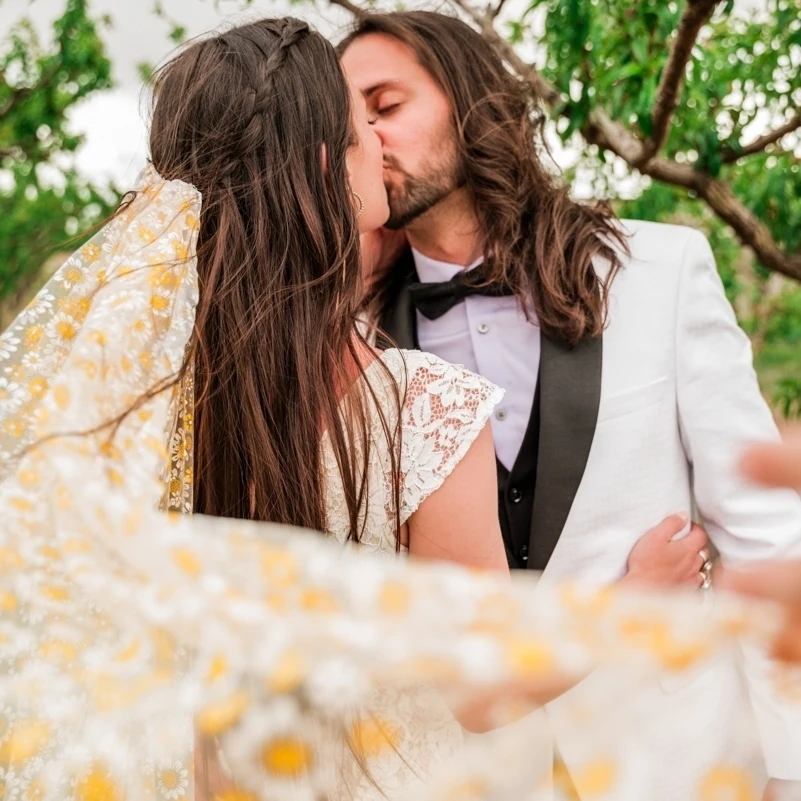
Bohemian & Flowy Styles
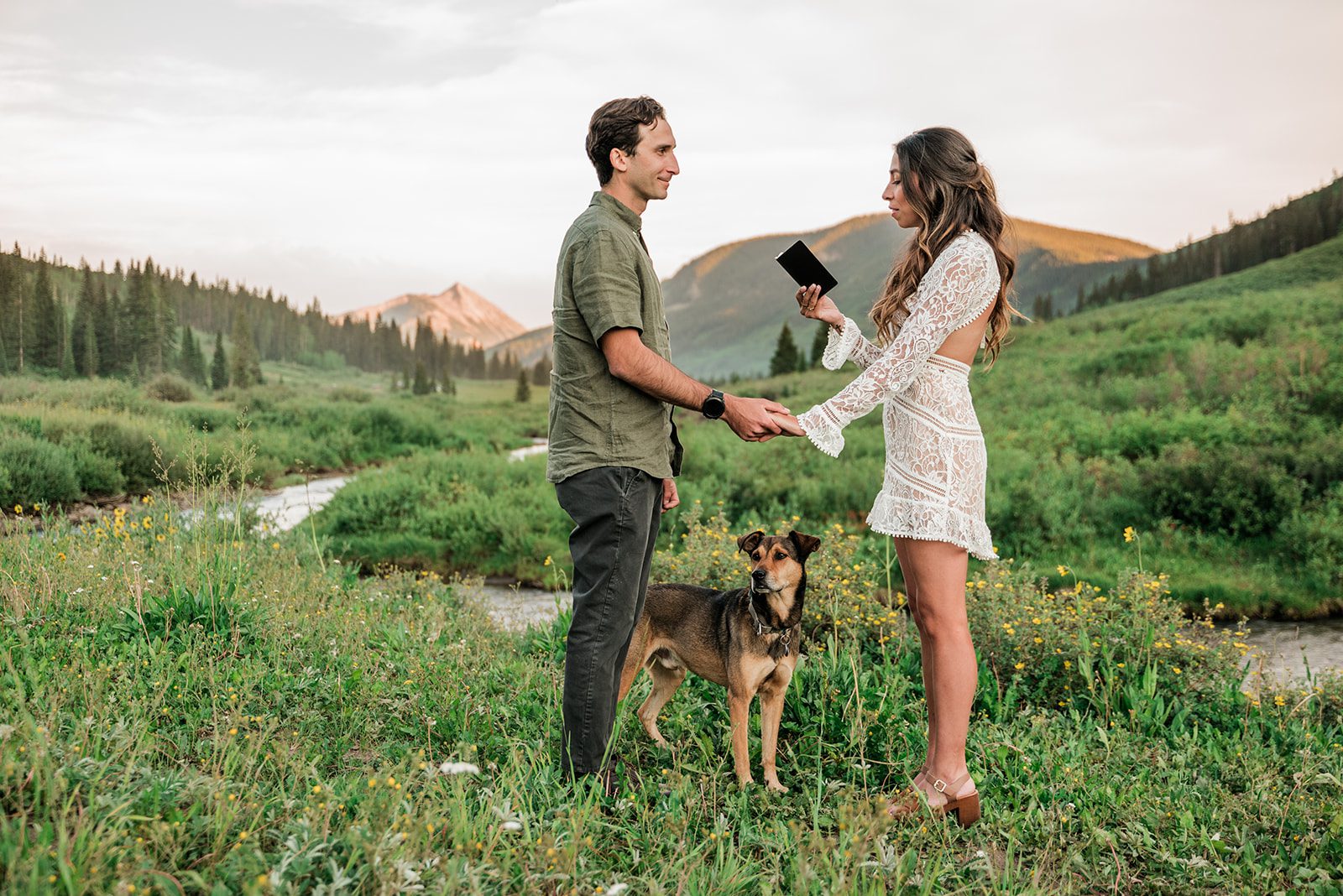
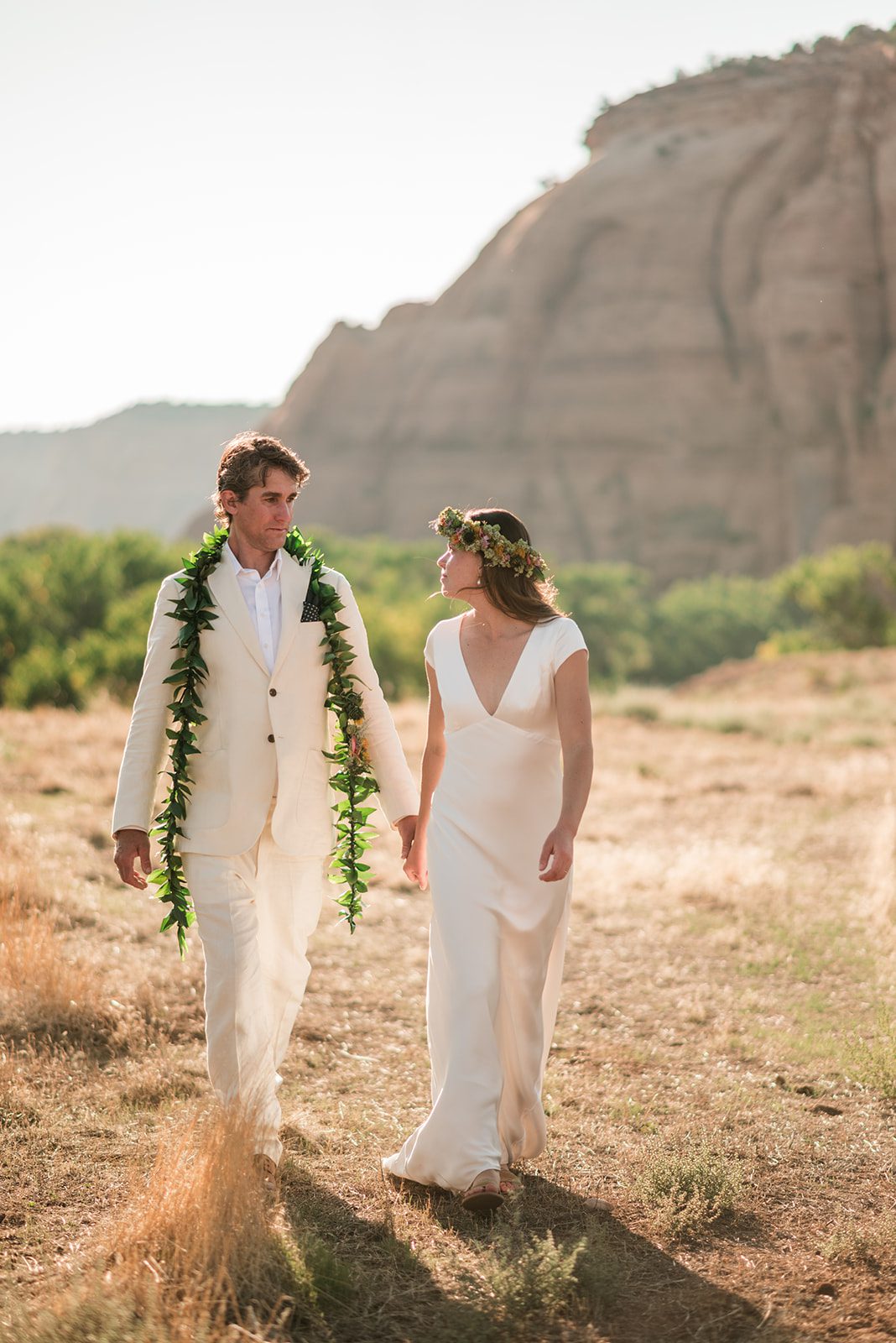
Flowing fabrics, lace details, earthy tones, and relaxed silhouettes create a bohemian vibe that’s perfect for outdoor Colorado and Moab celebrations.
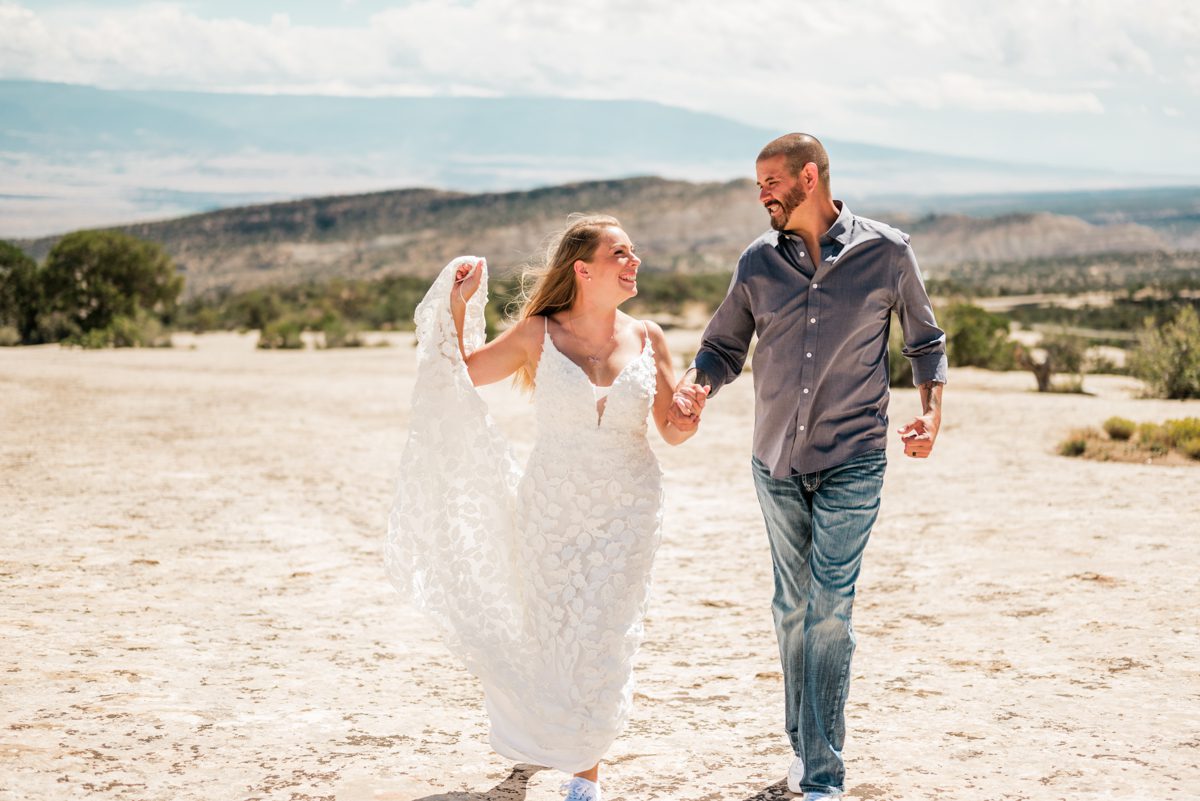
Why it works: These dresses move beautifully in photos—especially when there’s wind. There’s something magical about capturing flowing fabric against mountain landscapes or desert scenes.
Styling tip: Bohemian doesn’t have to mean all-white. Consider cream, champagne, blush, or even patterned dresses with floral details. Pair with boots, a flower crown, or simple jewelry for a complete look.
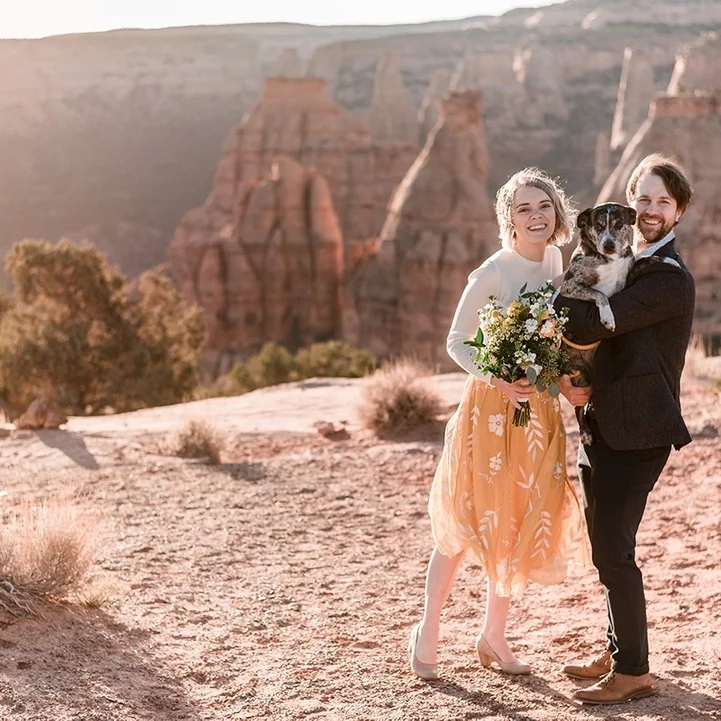
Alternative Wedding Outfit Ideas: Suits & Formalwear
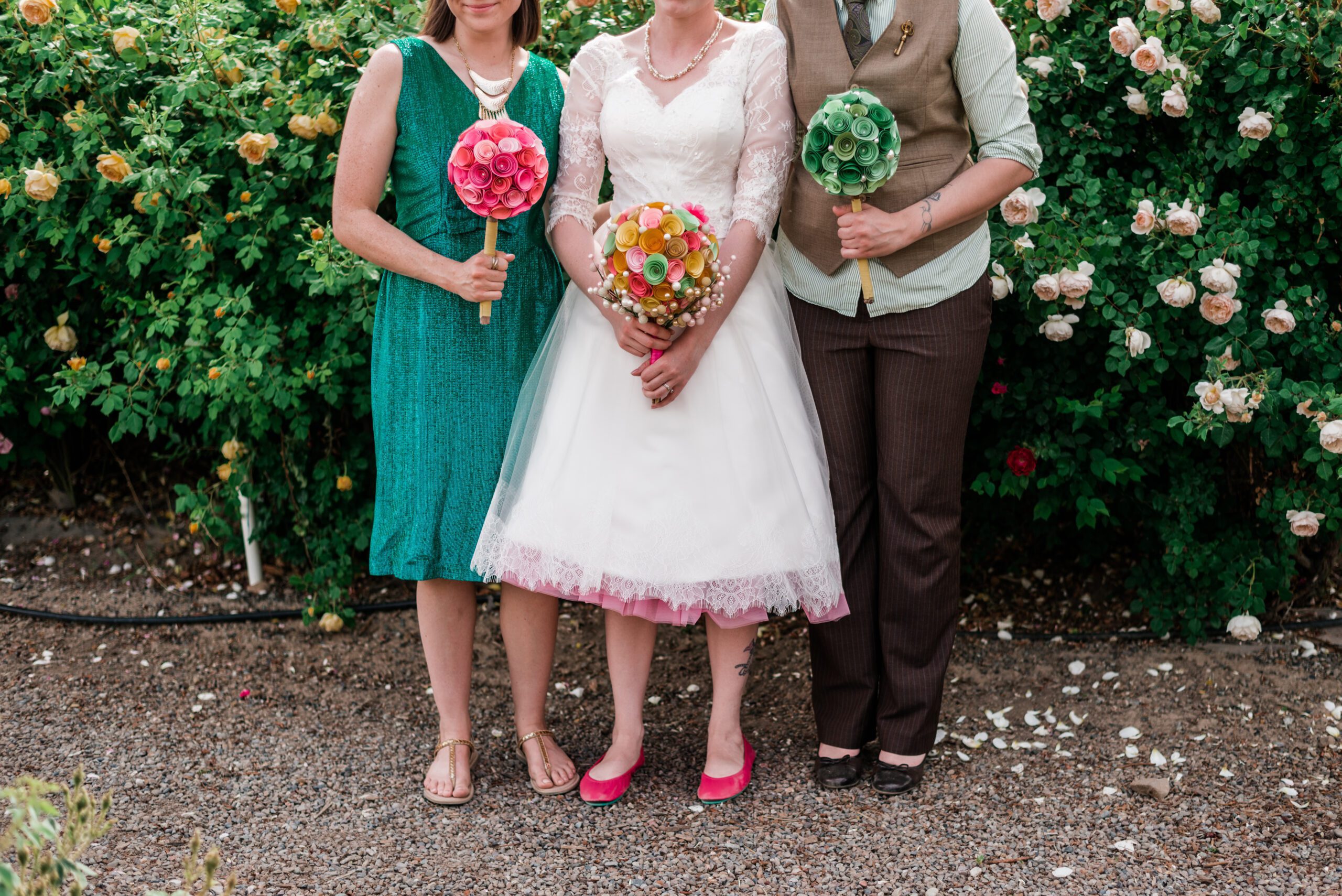
Colorful or Patterned Suits
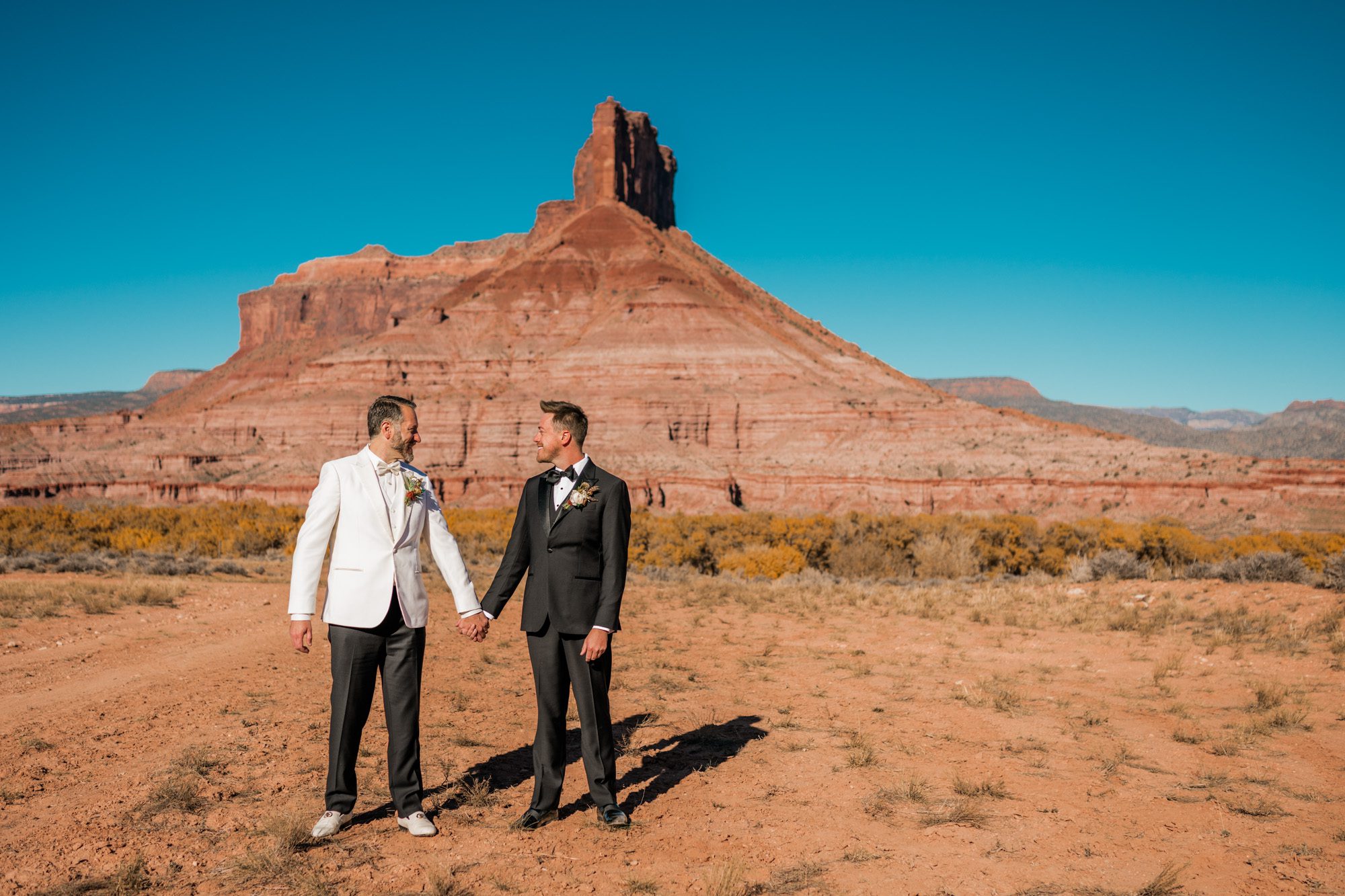
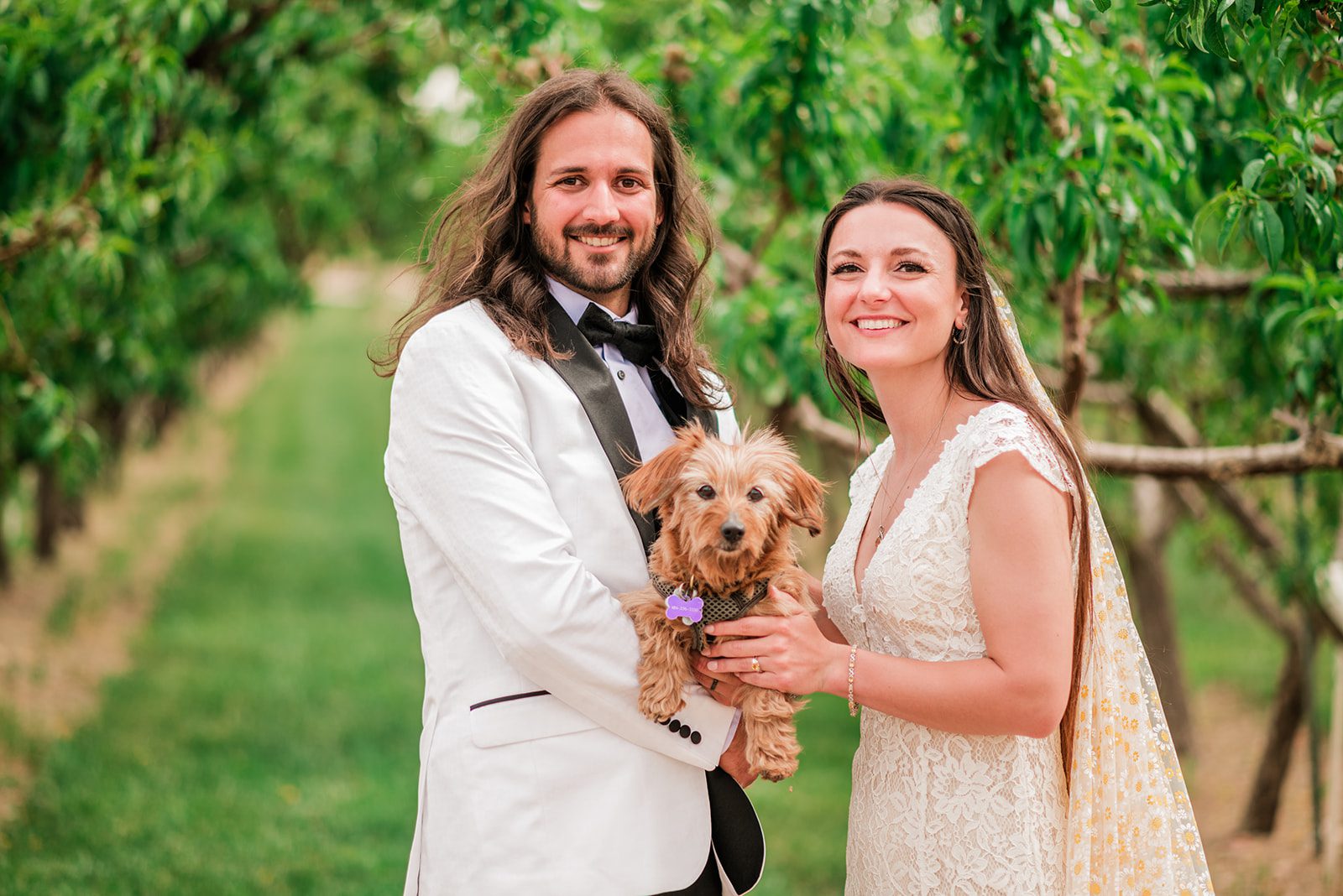
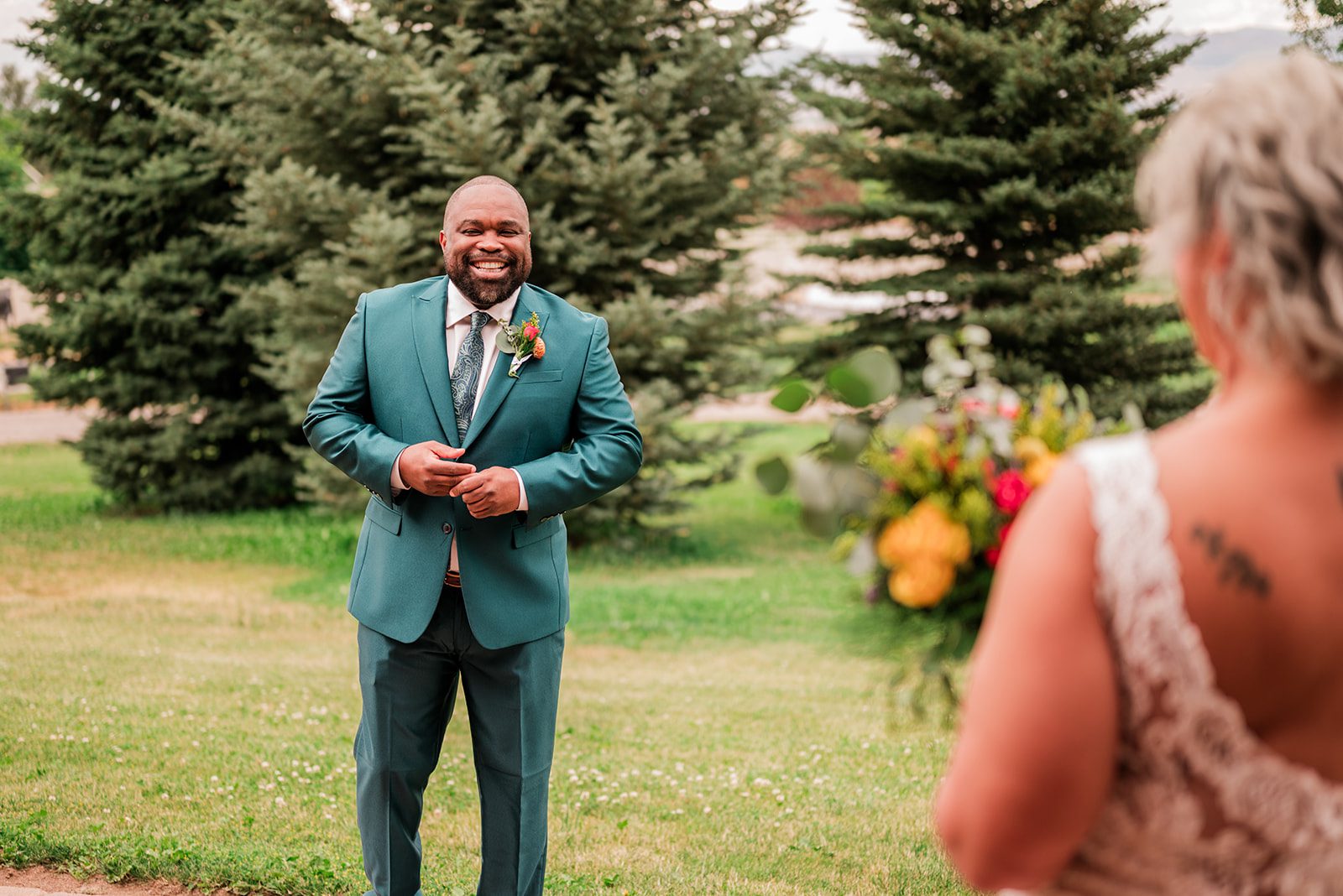
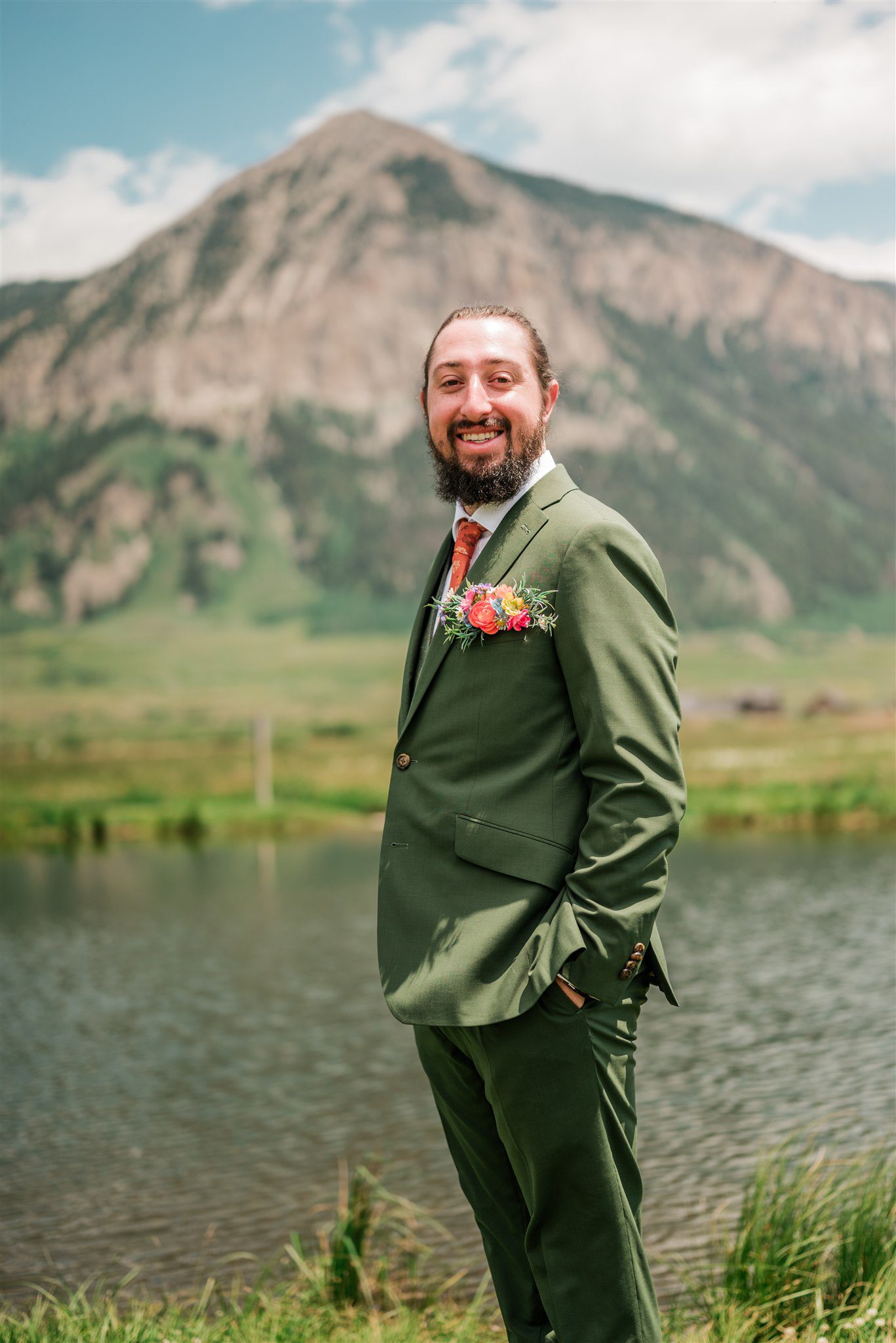
Who says suits have to be black, navy, or grey? Colorful suits—whether that’s a bold jewel tone, a soft pastel, or even white—make a statement while still looking polished and put-together.
Why it works: A well-tailored colored suit photographs incredibly well and shows personality. It’s formal enough for any wedding but unique enough to feel special.
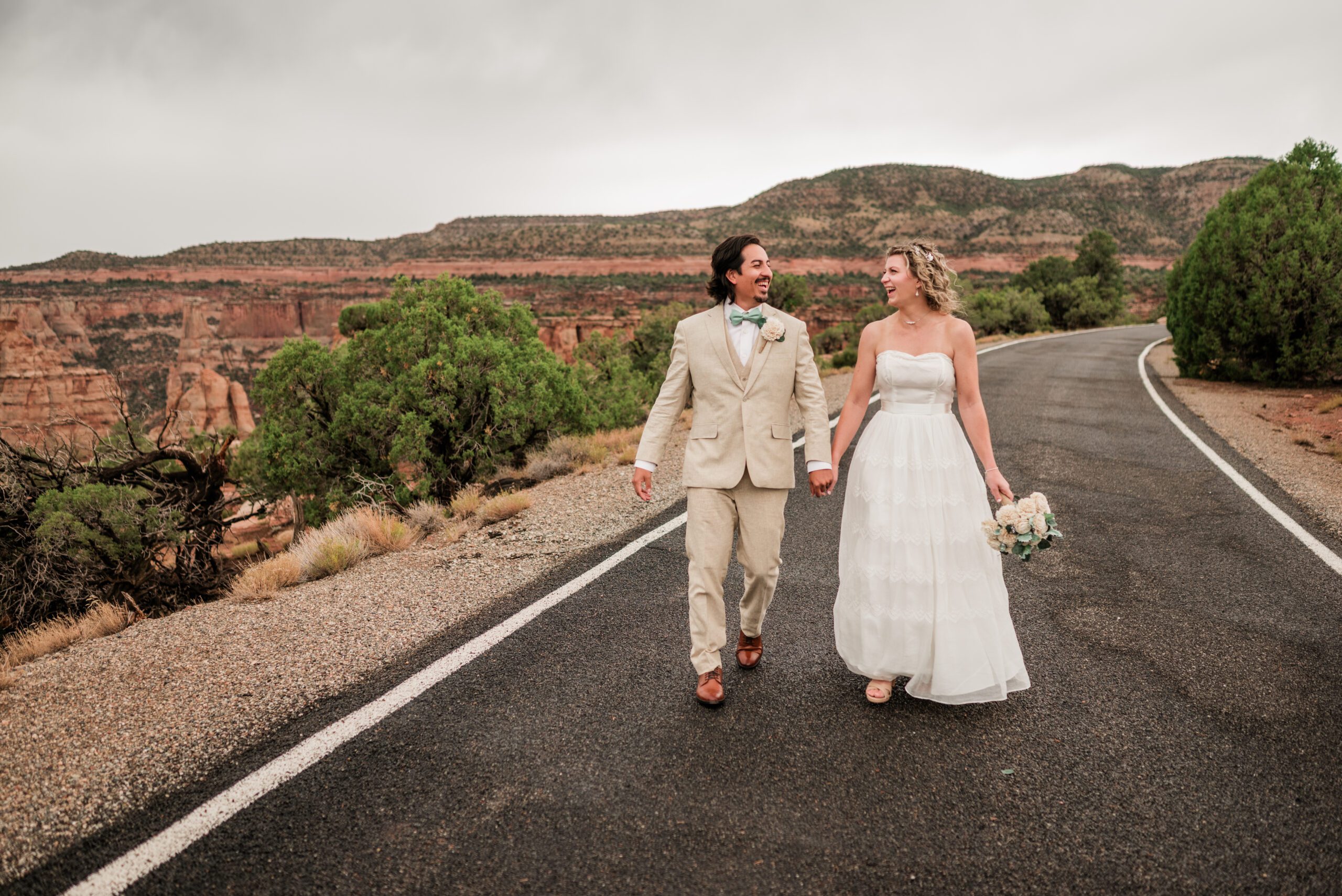
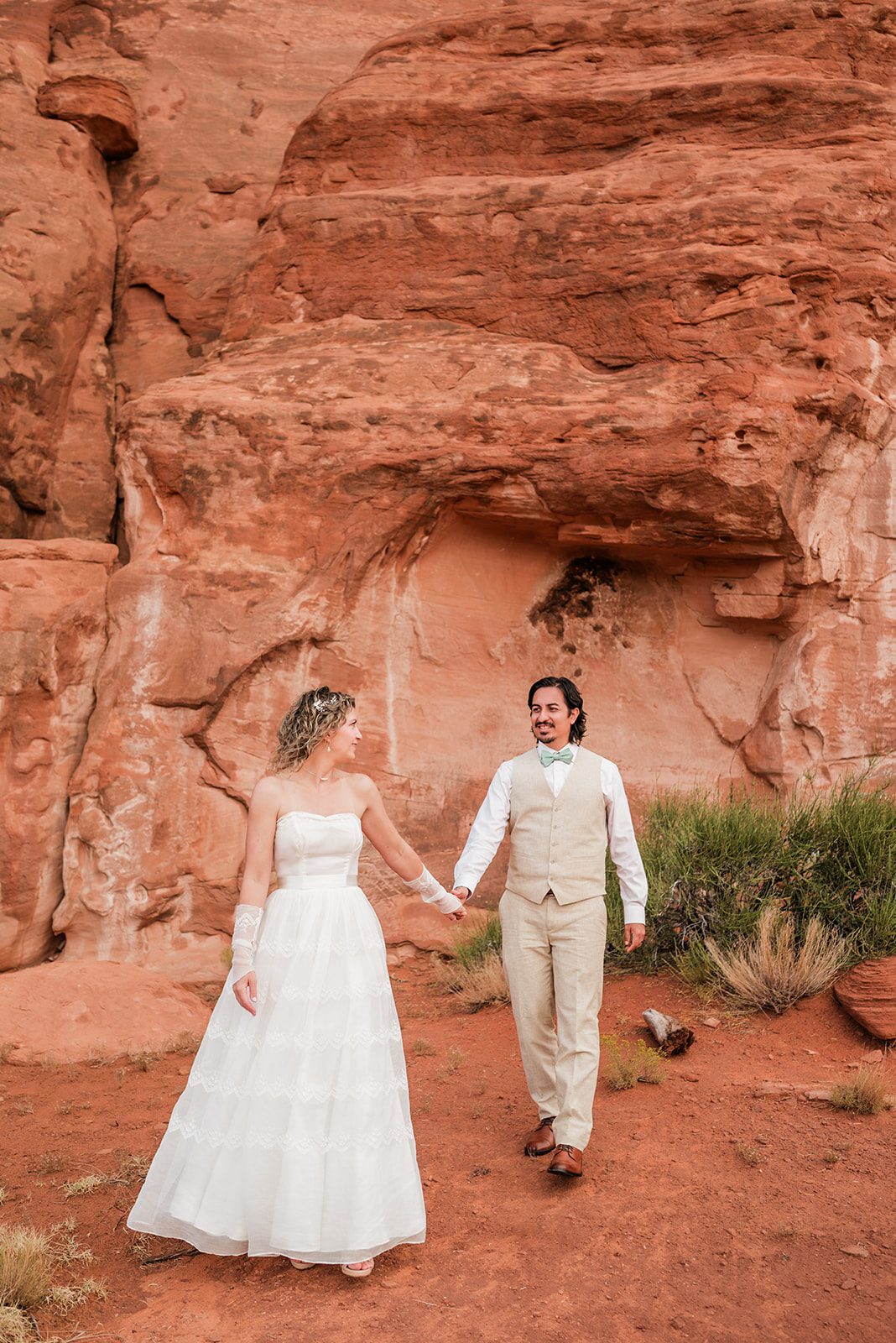
Real couple example: I’ve photographed grooms in burgundy suits against fall foliage, sage green suits in mountain meadows, and tan linen suits in Moab’s desert landscapes. The color coordination with the environment creates stunning, cohesive photos.
Pattern options: Subtle windowpane, pinstripe, herringbone, or even bolder plaids can add visual interest without being overwhelming.
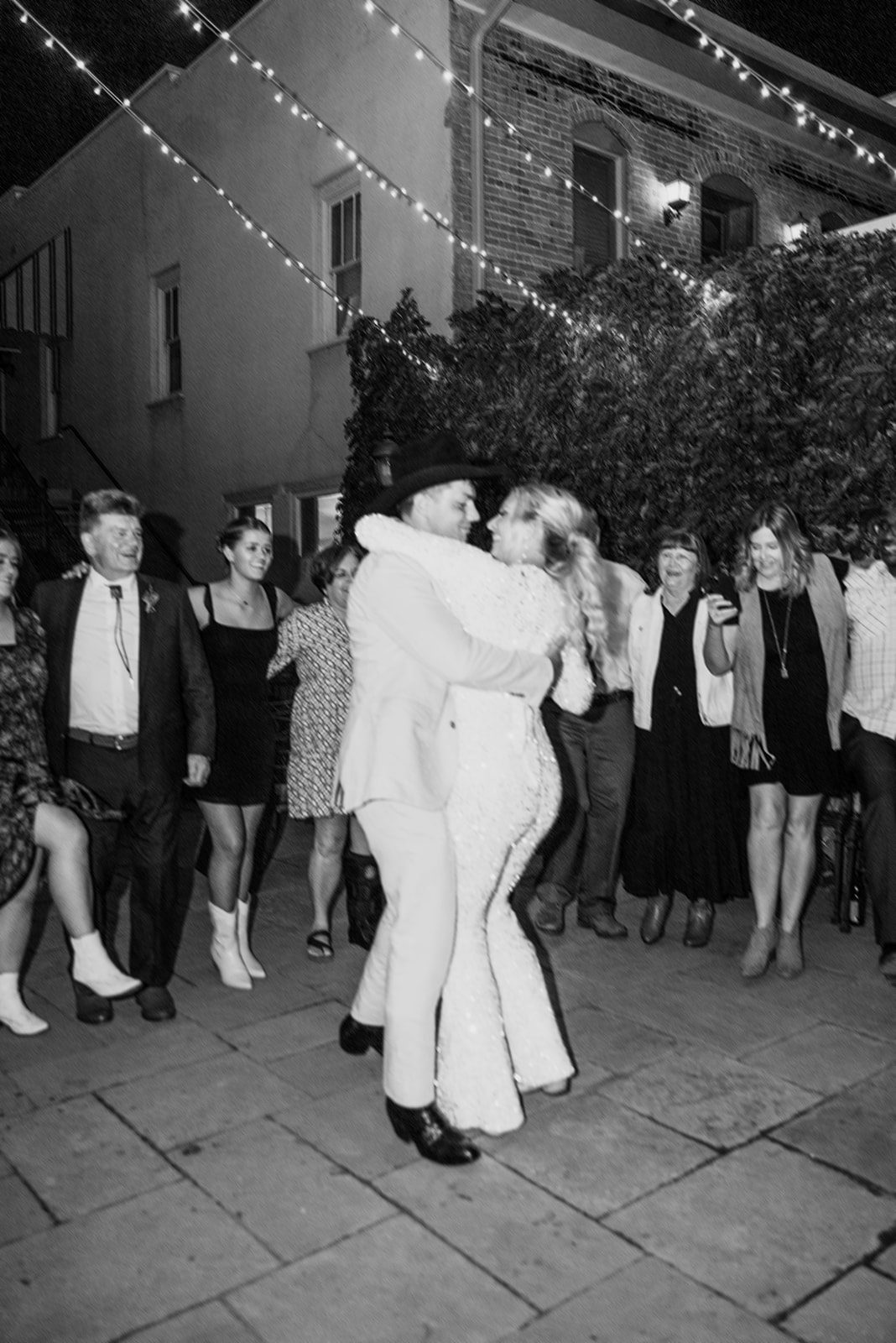
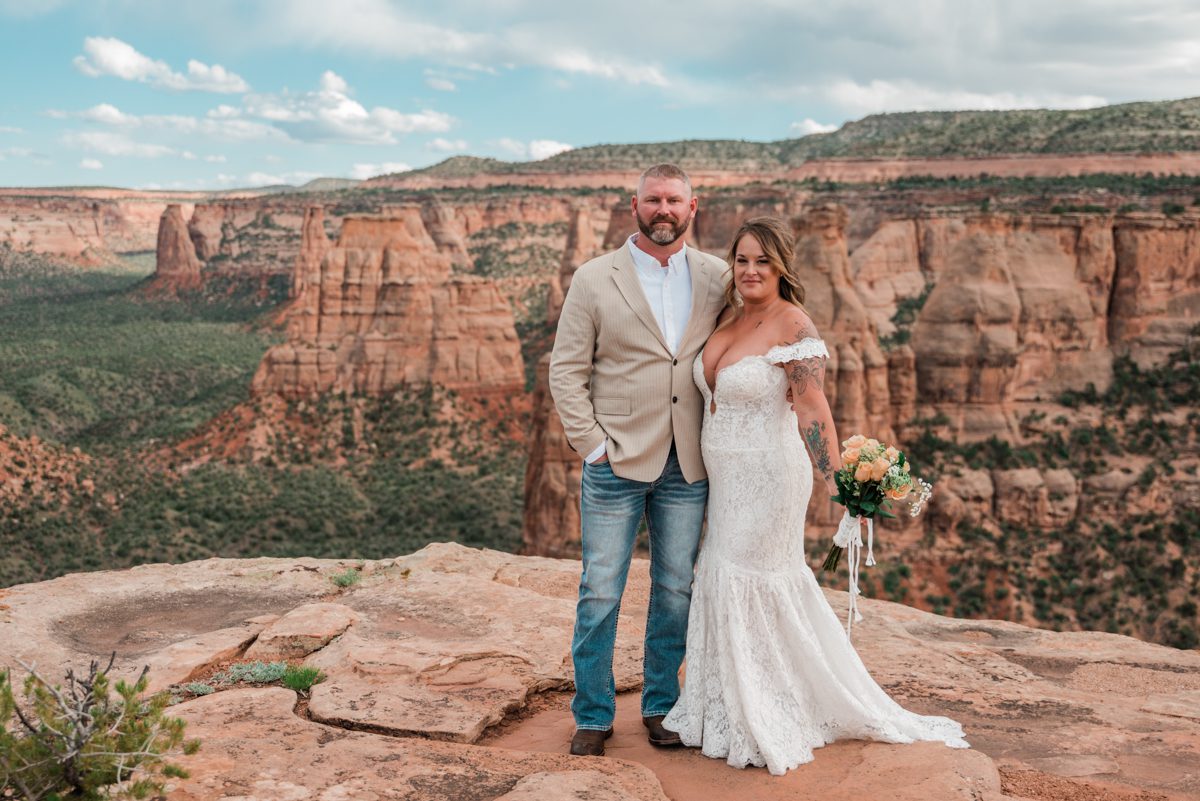
Casual Suits & Separates
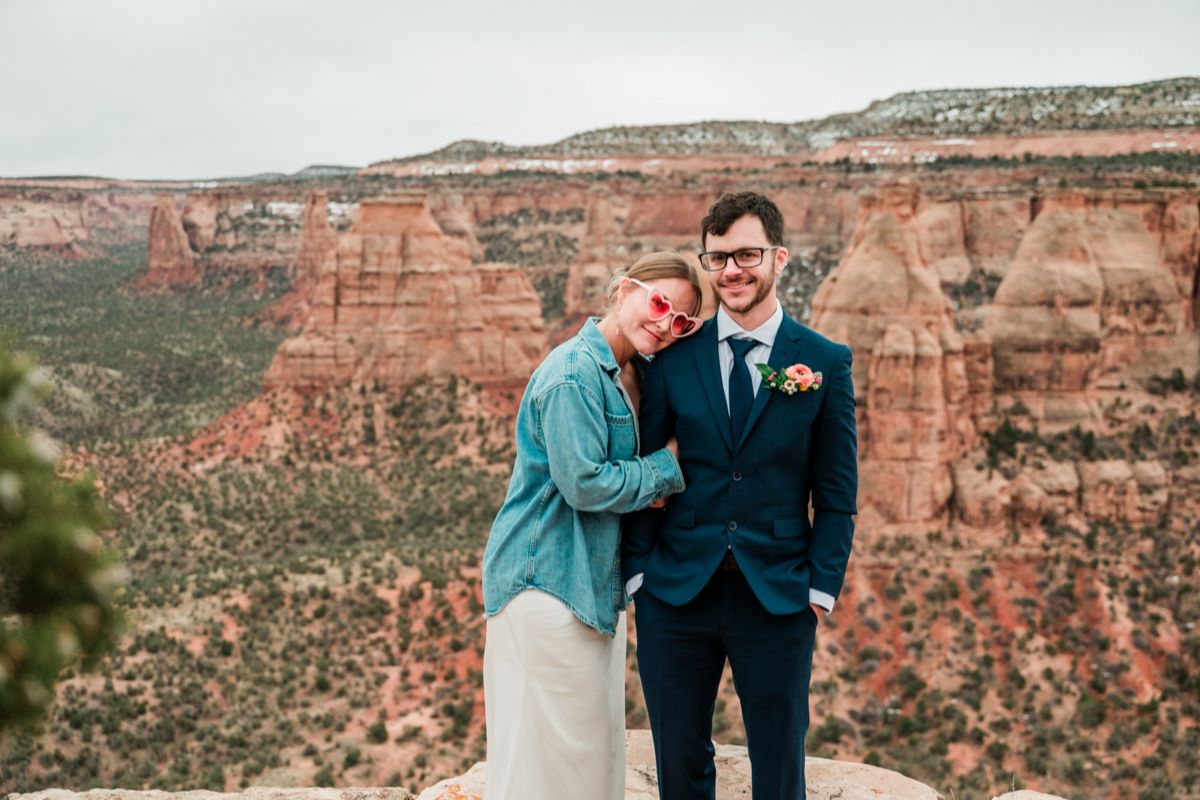
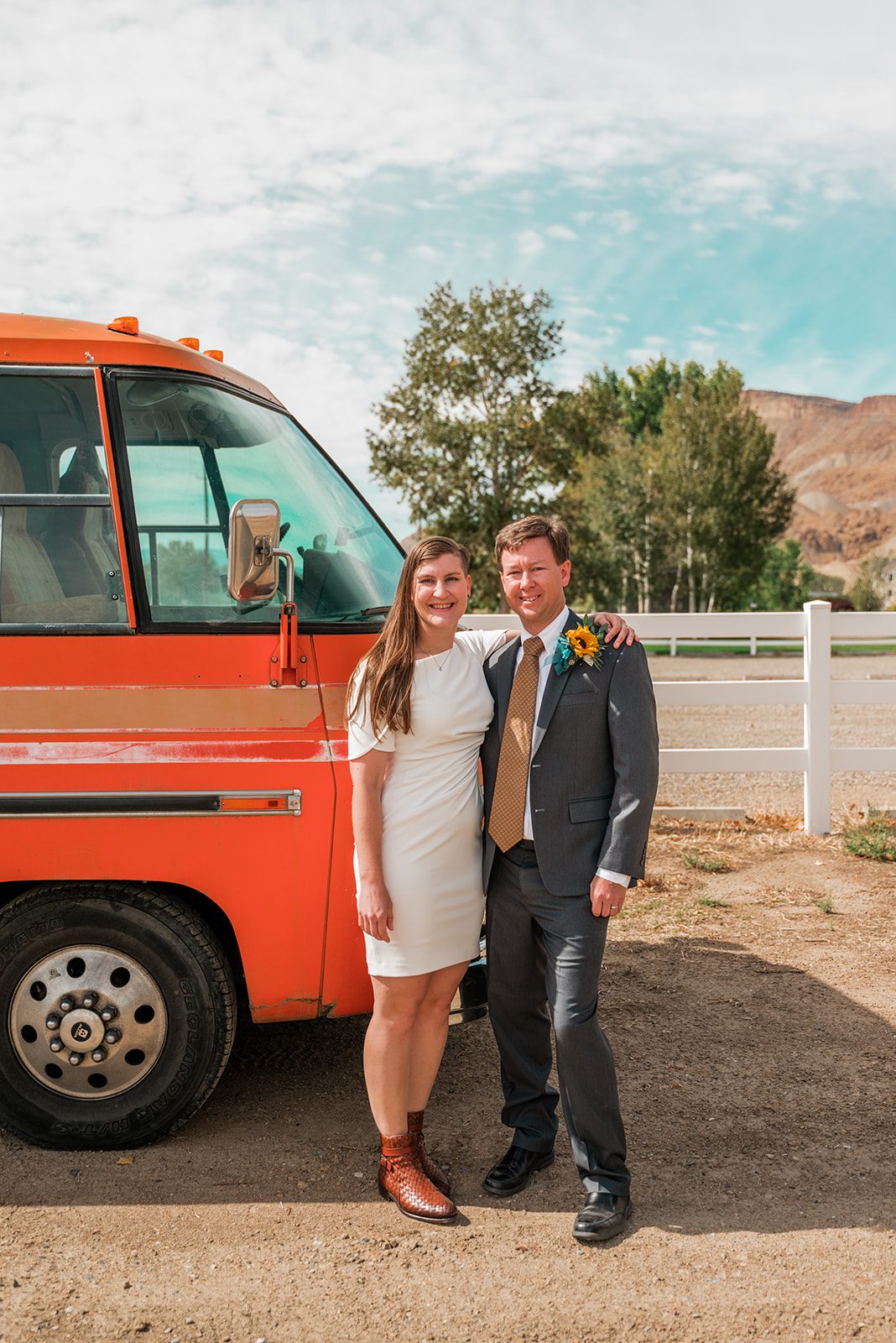
Not every wedding calls for a three-piece suit. Sometimes dress pants and a nice shirt—with or without a jacket, with or without a tie—is exactly right.
Why it works: This approach gives you flexibility to adjust your formality level throughout the day. Start with the full look, then lose the jacket when it gets warm or you want to be more comfortable.
What this looks like:
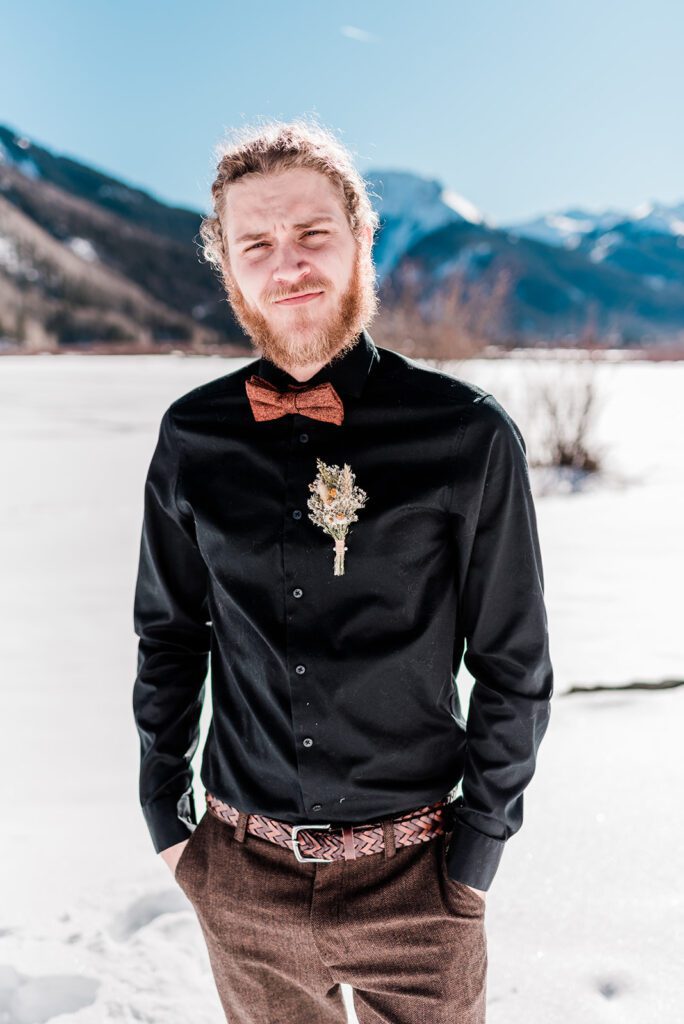
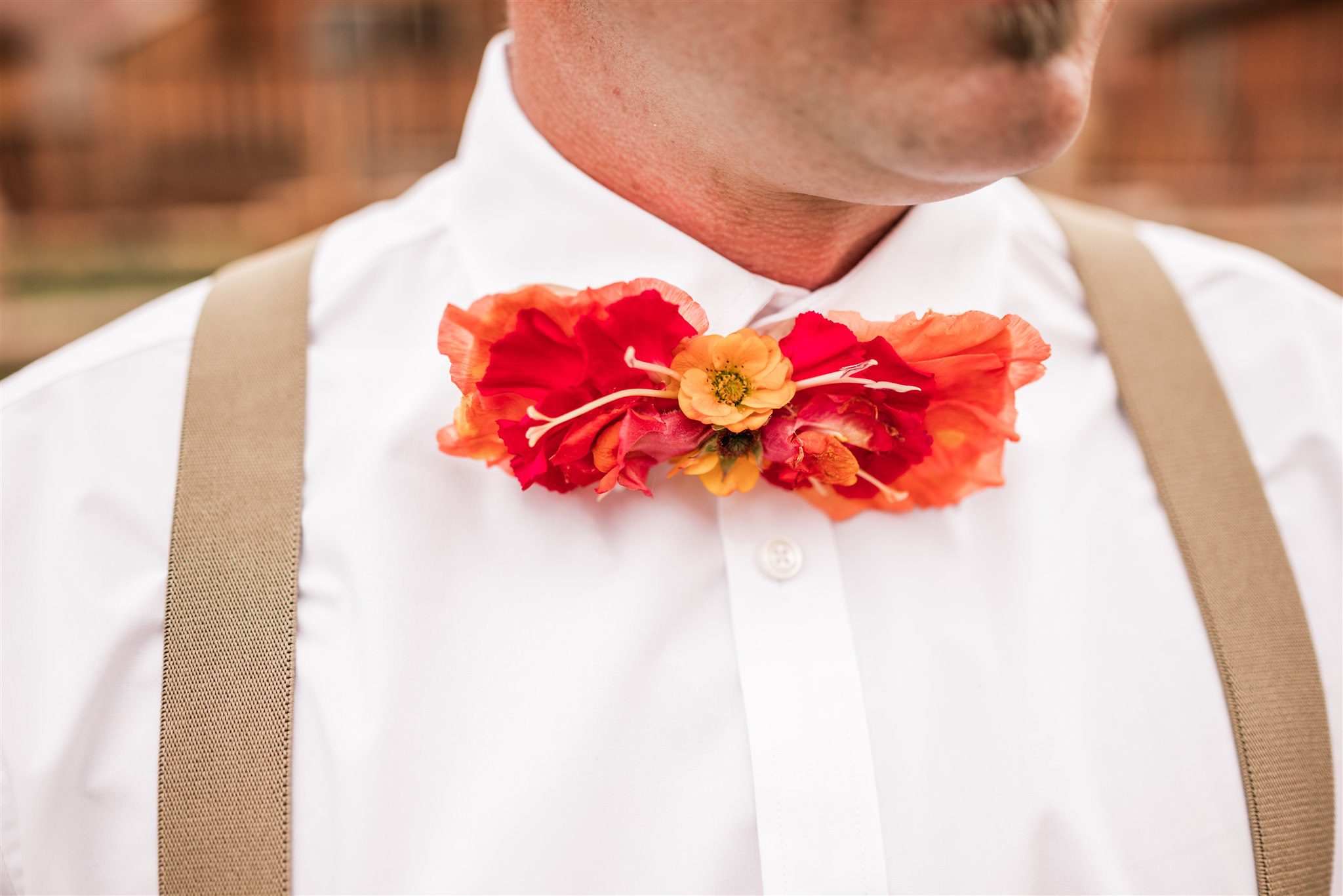
- Dress pants + button-down shirt + suspenders (no jacket)
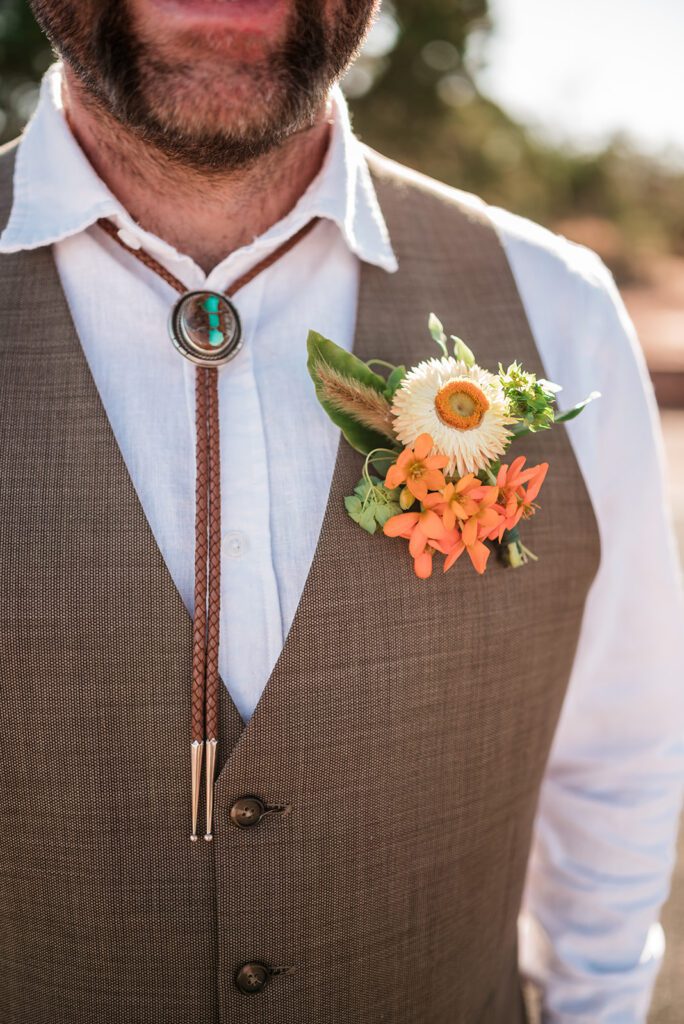
- Chinos + linen shirt + vest
- Trousers + casual blazer + no tie
- Well-fitted pants + dress shirt with sleeves rolled up
Photographer’s observation: Some of my favorite portraits happen after couples have relaxed into their day—jacket off, sleeves rolled up, tie loosened or removed. There’s an ease and authenticity in those moments that’s really beautiful.
Vests & Waistcoats Without Jackets
For a vintage-inspired or slightly dressed-down look, a vest or waistcoat without a jacket strikes a perfect balance between formal and comfortable.
Why it works: Especially in Colorado’s variable weather, this gives you a polished look without overheating. It photographs really well and has a timeless, classic feel.
Styling tip: Pair with dress pants, add suspenders for extra style, and choose a vest in a complementary color to your partner’s attire. This look works beautifully for rustic, barn, or outdoor weddings.
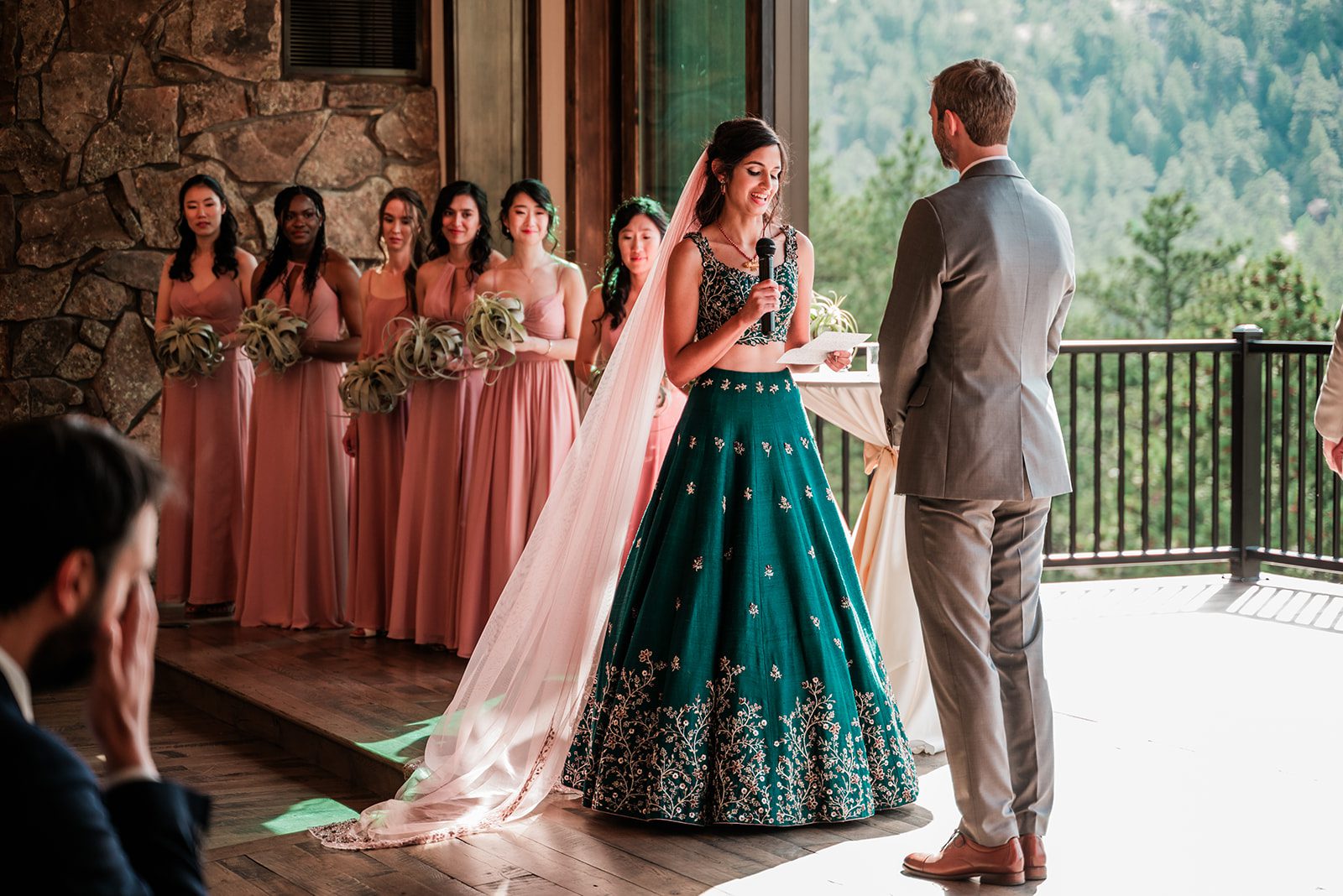
Cultural or Heritage Attire
Incorporating traditional clothing from your cultural background is a meaningful way to honor your heritage while creating a truly unique wedding look.
Why it works: These outfits are often incredibly beautiful, rich with symbolism, and represent who you are beyond Western wedding traditions. Plus, they photograph stunningly and tell a deeper story.
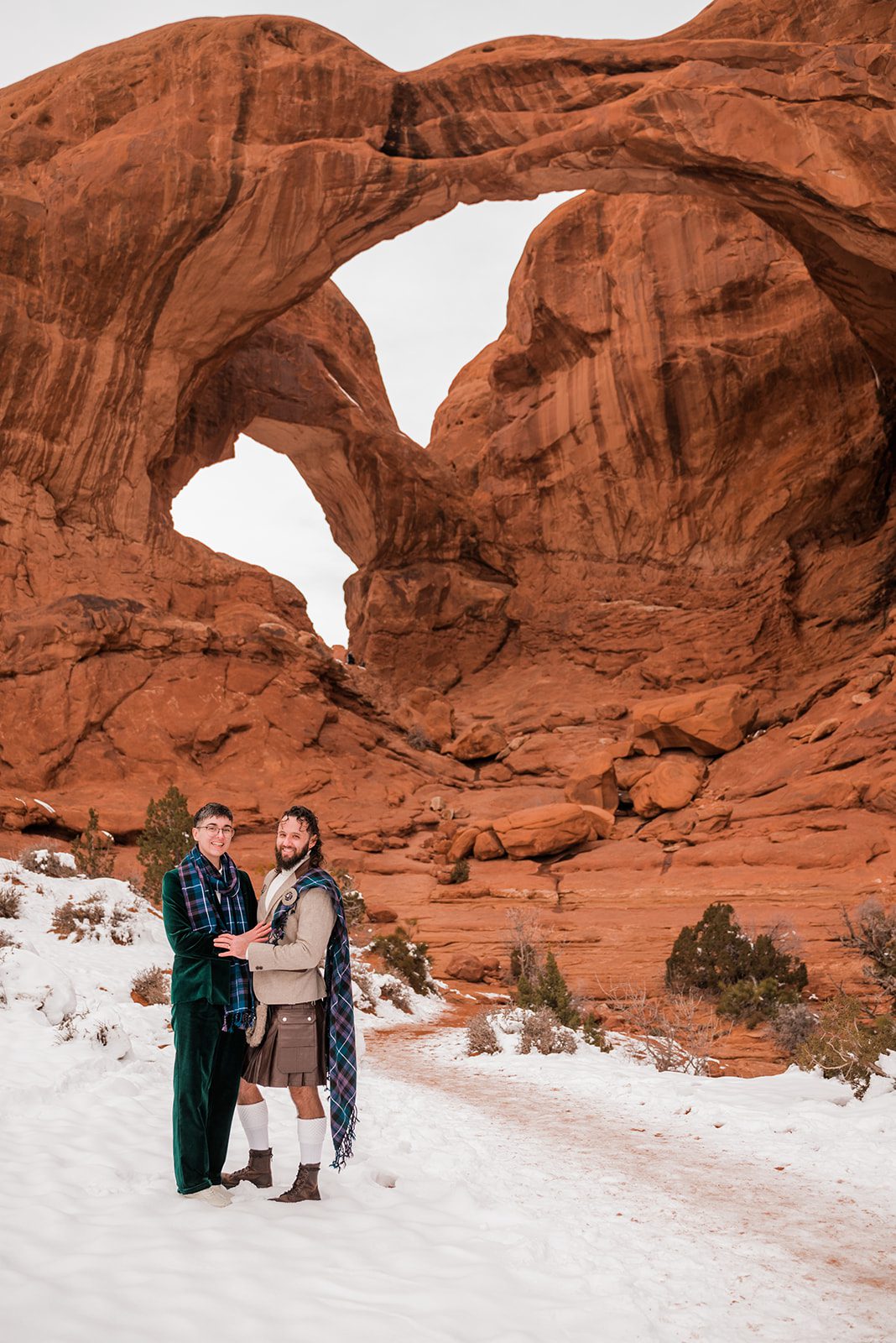
Examples: Kilts, sherwanis, hanboks, ao dai, traditional Indigenous regalia, or any other cultural garments that hold meaning for you.
No Suit at All
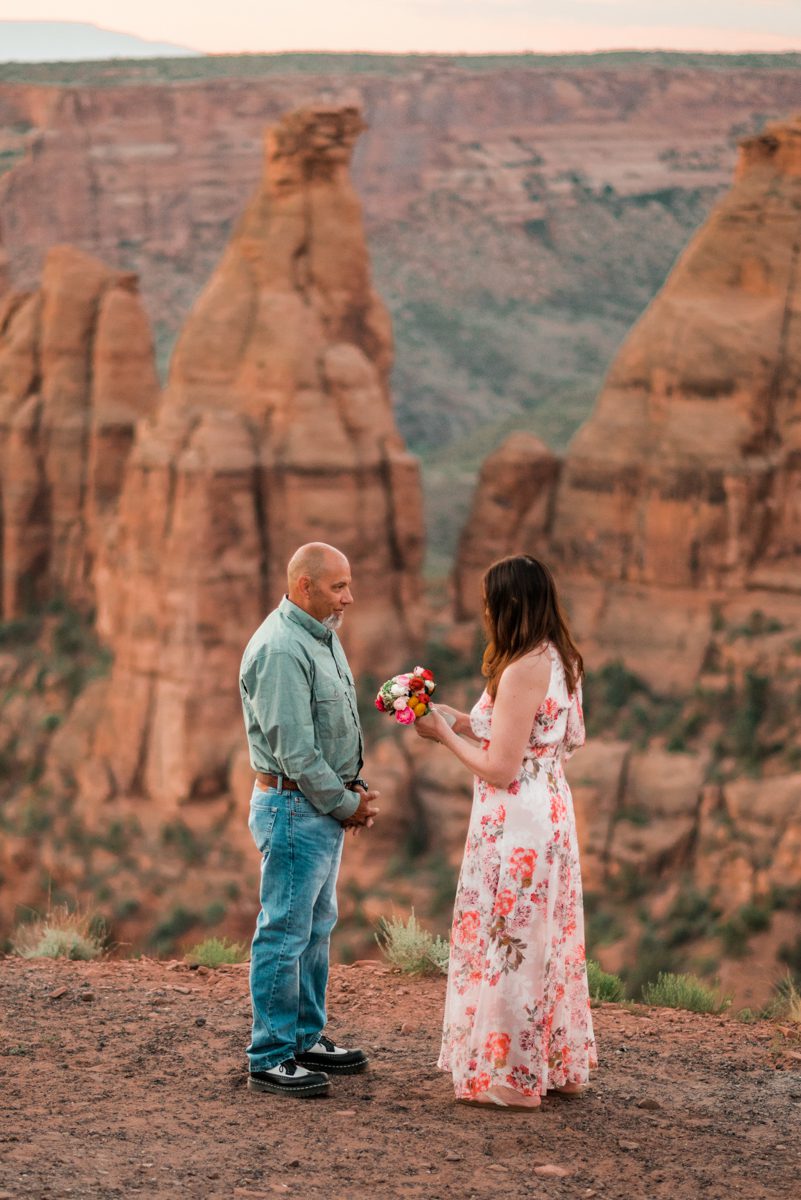
Sometimes the most authentic choice is to skip formal suiting entirely. Nice jeans and a button-down. Khakis and a casual shirt. Whatever genuinely feels like you.
Why it works: For very casual weddings, elopements, or celebrations where formality just doesn’t fit, dressing how you’d dress for any special occasion with your favorite people can feel incredibly right.
When this works best: Camping weddings, backyard celebrations, brewery receptions, adventure elopements, or any wedding where the focus is on experience over formality.
Gender-Neutral & Non-Conforming Wedding Attire
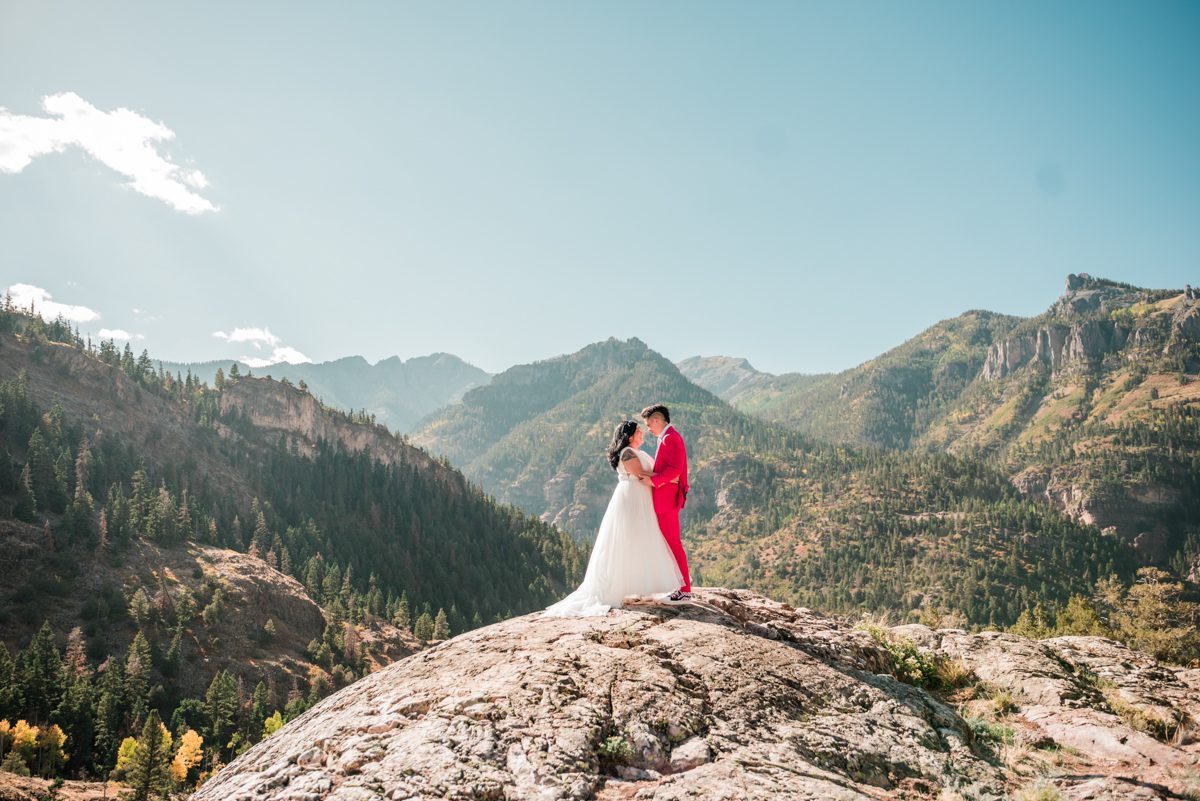
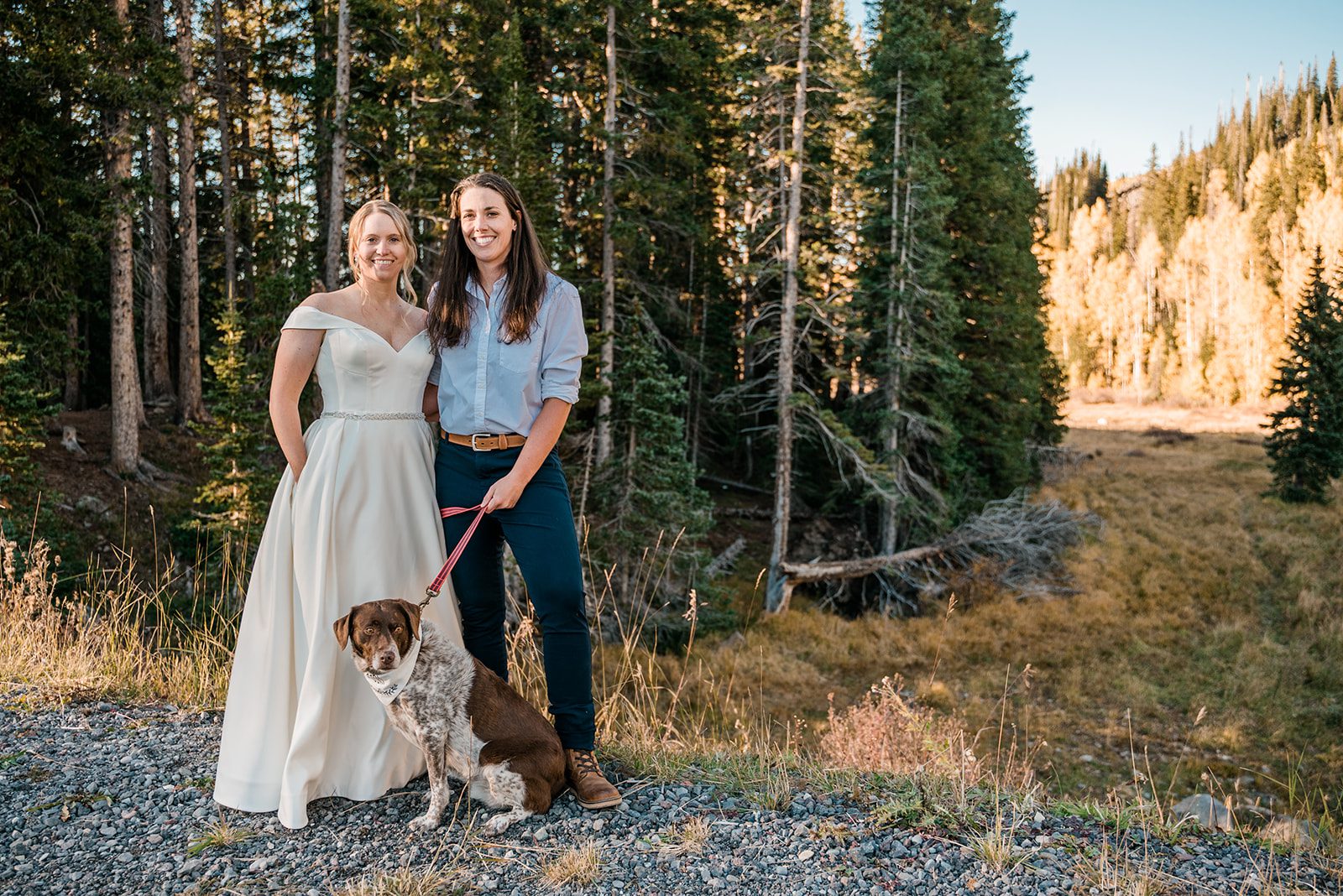
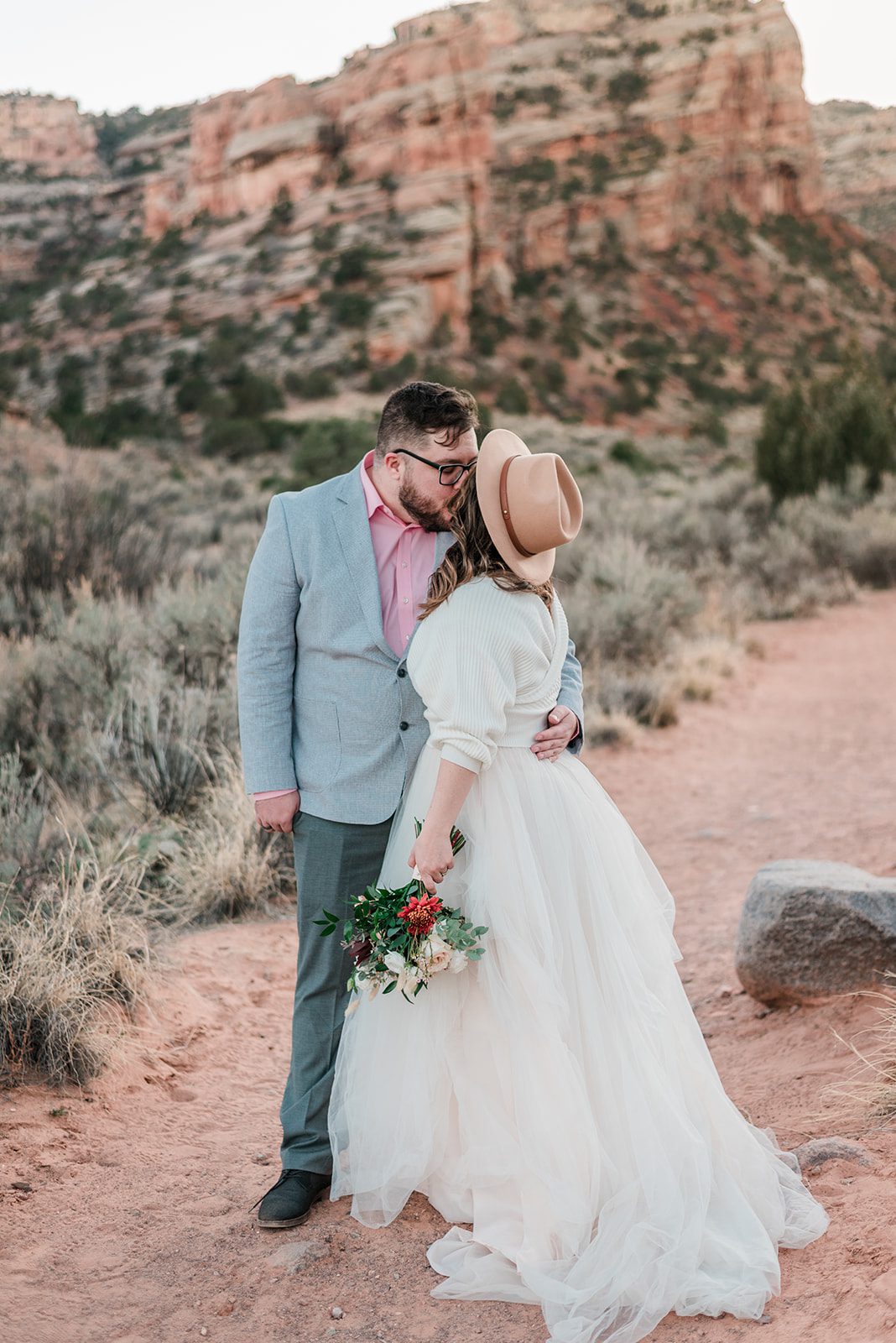
Wedding attire doesn’t have to conform to traditional gender expectations. What matters is that you feel incredible in what you’re wearing, regardless of how it’s typically categorized.
Some options:
- Tailored suits for anyone, regardless of gender identity
- Dresses for anyone who wants to wear one
- Mixing traditionally “masculine” and “feminine” elements (suit with a flowing skirt, dress with boots and a leather jacket)
- Androgynous separates that don’t lean clearly masculine or feminine
- Whatever combination makes you feel most like yourself
The most important thing: Choose attire that affirms your identity and makes you feel confident and comfortable. Your wedding day is about celebrating your love and commitment—your clothes should support that, not distract from it.
Practical Considerations for Colorado & Moab Weddings
Your wedding attire doesn’t just need to look good—it needs to work for your actual plans and location.
Weather & Layering
Colorado and Moab weather can be unpredictable. Even in summer, mountain temperatures can drop significantly. In Moab, desert heat during the day gives way to cool evenings.
Layering strategies:
- Bring a jacket, cardigan, or wrap for temperature changes
- Consider a shawl or cape that can be added or removed
- Have backup footwear (boots for hiking, nicer shoes for portraits)
- Think about what you’ll wear during different parts of the day
Seasonal considerations:
- Summer: Light fabrics, breathable materials, sun protection
- Fall: Layers are your friend, jewel tones photograph beautifully
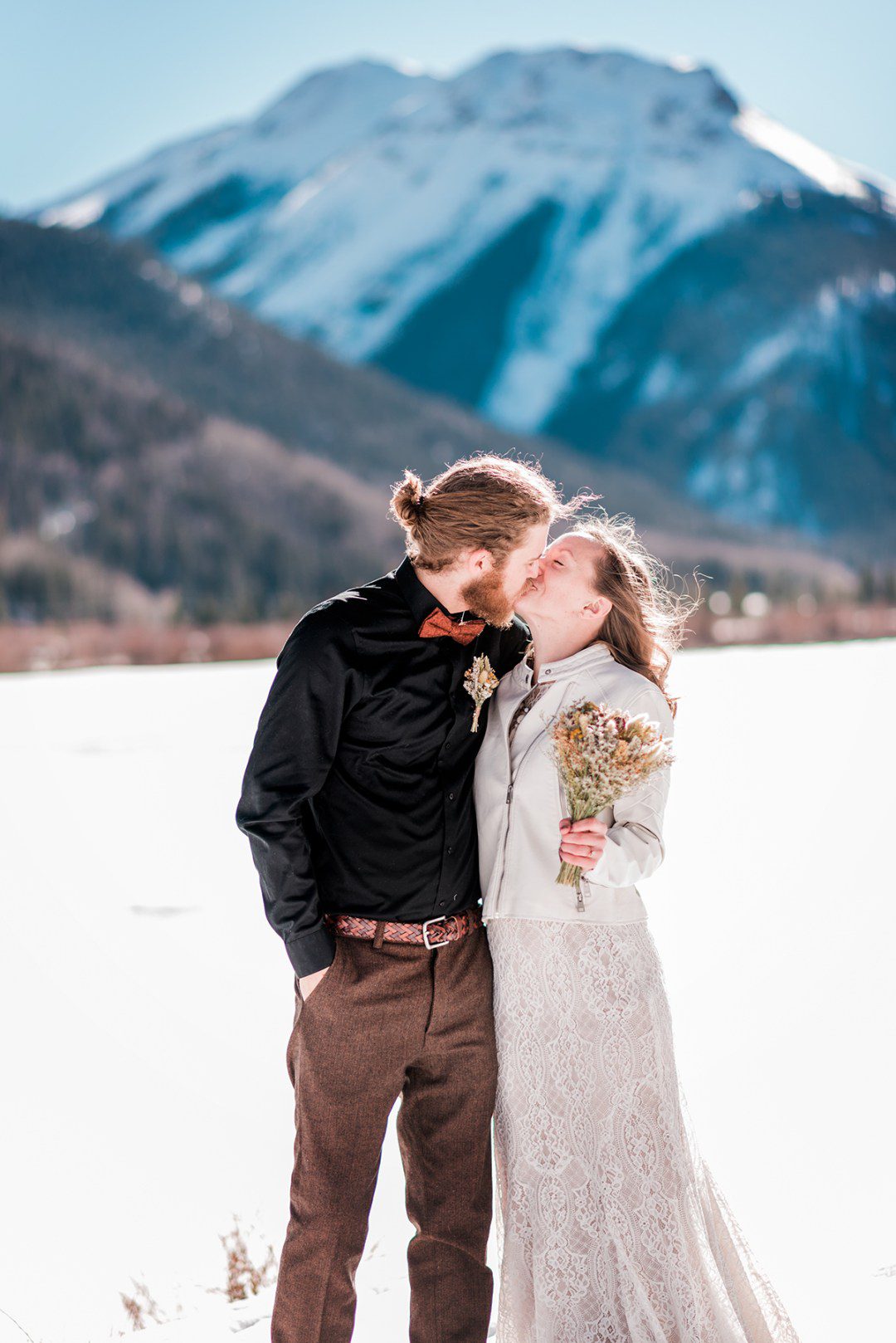
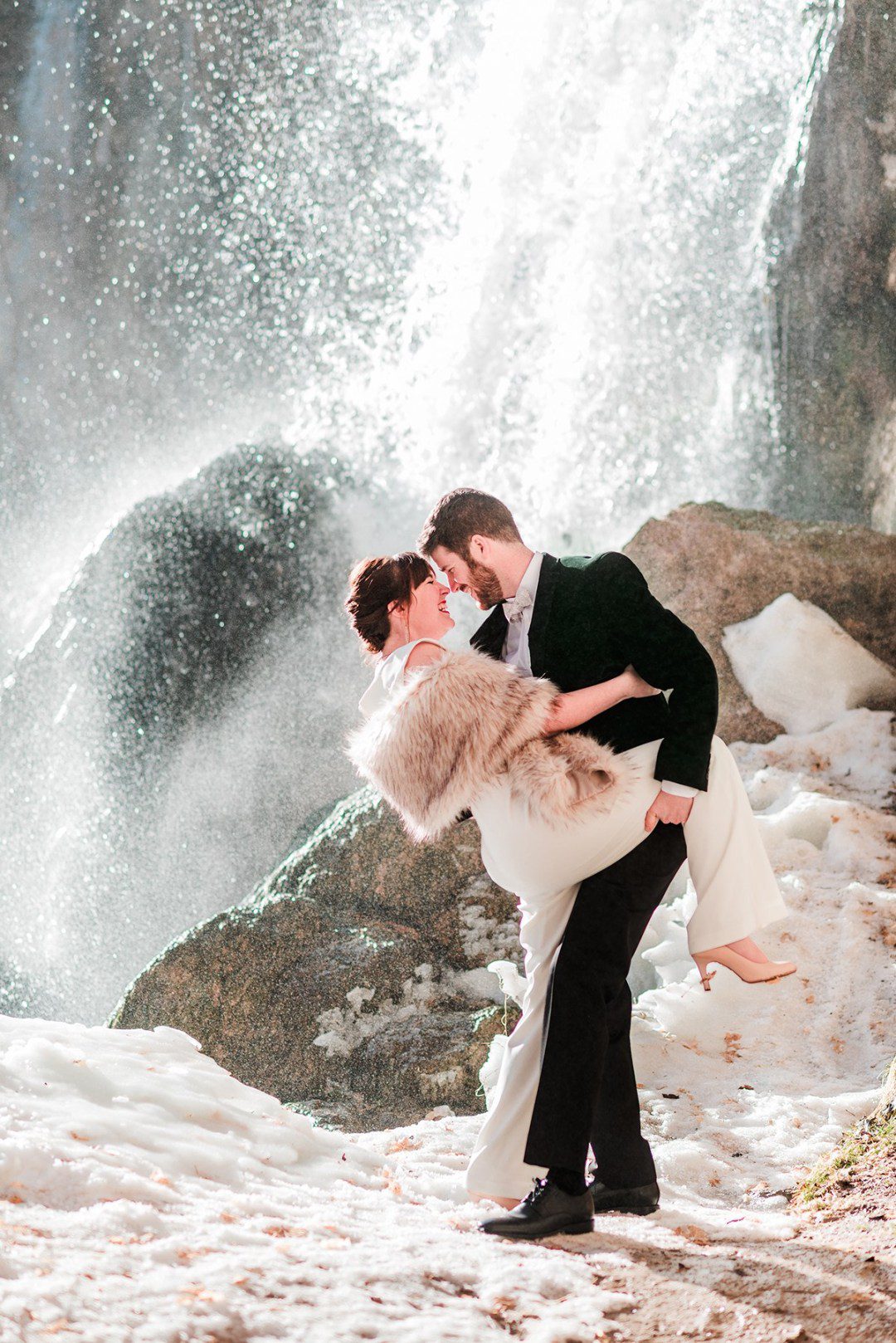
- Winter: Warm underlayers, cozy wraps, boots with traction
- Spring: Weather is most variable—have options ready
Hiking & Adventure Considerations
If you’re planning any hiking or adventuring in your wedding attire, think through the practicalities:
What works well:
- Shorter hemlines or pants for scrambling over rocks
- Sturdy, broken-in footwear (not brand new shoes you’ve never worn)
- Fabrics that aren’t overly delicate or prone to snagging
- Outfits you can move freely in
The outfit change option: Honestly? Many of my adventure elopement couples hike in comfortable clothes and change into their “wedding attire” at the ceremony location. There’s absolutely nothing wrong with wearing hiking boots and athletic wear for the trek, then switching into something special for your vows and photos.
What Photographs Well
After 12+ years behind the camera, here’s what I’ve learned about how different attire choices photograph in Colorado and Moab’s landscapes:
Colors that pop:
- Jewel tones against mountain greenery
- Earth tones in desert settings
- Black creates dramatic contrast almost anywhere
- White/cream is classic but can wash out in bright sun (though it still works!)
Fabrics and textures:
- Flowing fabrics create movement and interest
- Lace and texture add dimension
- Matte fabrics are easier to photograph than very shiny materials
- Layers photograph beautifully
What to consider:
- Very busy patterns can be distracting in photos (subtle patterns usually work better)
- Extremely pale colors can be challenging in bright sun
- Dark colors can get lost in shadowy forest settings
- Your attire should complement the landscape, not compete with it
Shopping for Non-Traditional Wedding Attire
Once you know what style you’re after, where do you actually find these pieces?
Beyond traditional bridal shops:
- Department stores and boutiques (often more affordable and still special)
- Online retailers specializing in non-traditional bridal
- Vintage and consignment shops (unique finds, sustainable choice)
- Rental services for suits and dresses (especially if you’ll only wear it once)
- Custom tailors (perfect fit, exactly what you want)
- Your own closet (that special piece you already love and feel great in)
Budget reality check: Non-traditional doesn’t automatically mean cheaper. A custom-tailored colorful suit might cost as much as a traditional tux rental. A designer jumpsuit can run as much as a wedding dress. But you can find more affordable options because you’re not limited to “bridal” pricing, and you’re more likely to wear it again.
Questions to ask yourself when shopping:
- Will I feel like myself in this?
- Can I move comfortably? (Sit, walk, dance, hike if needed?)
- Does this work with my wedding location and season?
- If I’m buying rather than renting, will I wear this again?
- Does this coordinate with my partner’s attire?
- Most importantly: Do I love it?
Your Attire Should Feel Like You
Here’s what I want you to take away from this post: there are no rules.
You don’t have to wear white. You don’t have to wear a dress. You don’t have to wear a suit. You don’t have to stay in one outfit all day. You don’t have to choose between “formal” and “casual”—you can be somewhere in between, or you can be both at different points in your day.
What matters is that when you look in the mirror on your wedding day, you see yourself. Not some version of yourself that you think you’re supposed to be, but the actual, authentic you who’s about to marry the person you love in the way that feels right for both of you.
I’ve photographed couples in everything from traditional ball gowns to hiking pants, from classic tuxedos to casual jeans and flannel. And the common thread among all my favorite photos? The couples felt comfortable. They felt like themselves. And that confidence and authenticity radiates through every image.
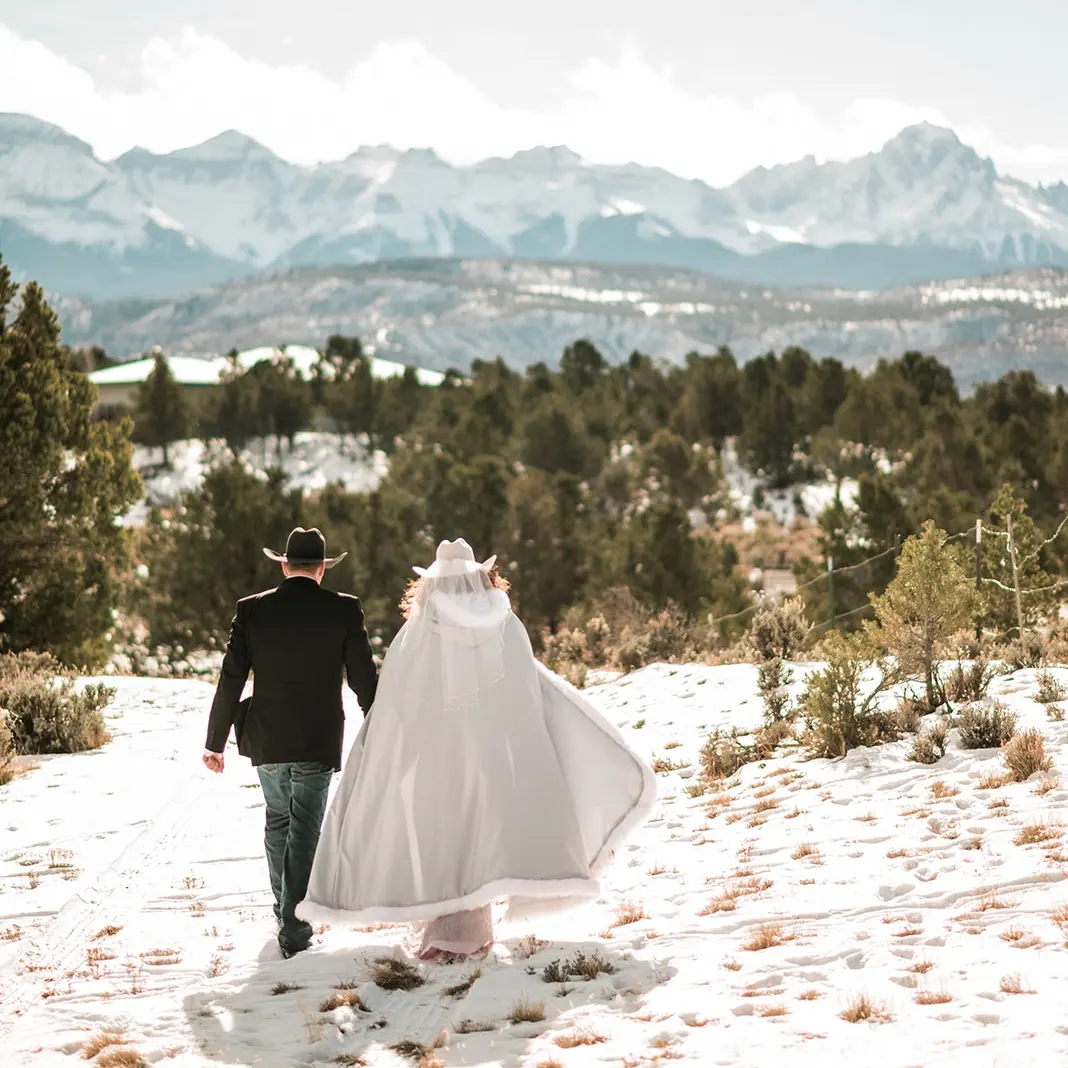
Your wedding attire—whether that’s a colorful jumpsuit, a patterned suit, a white dress, or something I haven’t even mentioned here—should support your celebration, not define it. Wear what makes you feel incredible. Wear what works for your plans. Wear what you’ll look back on in 20 years and think “yes, that was so us.”
And if you change your mind halfway through the day and want to switch into something more comfortable? Do it. If you want to hike in one outfit and take photos in another? Perfect. If you want to skip formal attire entirely and celebrate in your favorite comfortable clothes? Absolutely.
It’s your wedding. Your celebration. Your choice.
Ready to plan a wedding day that feels authentically you? I specialize in photographing couples who do things their own way—whether that’s eloping on a mountaintop in your favorite hiking boots or celebrating at a Colorado venue in the most unique attire I’ve ever seen. If you’re planning something non-traditional in Colorado or Moab, I’d love to hear about it. Click here for Elopement Info or click here for Wedding Info.